
The Science of Getting from A to B

Every vehicle, at its very core exists for the same purpose. To take you from point A to point B.
This sounds simple and straightforward enough.
Now what if we try going from A to B in an Indian city at 8:47 in the morning? When the roads are full of school buses, delivery riders, office commuters, a very determined vegetable vendor with his cart, and a lovable brown puppy who has decided that the middle of the road is the best place to contemplate life. Suddenly A to B isn’t so simple.
Let’s look at Gopalan, the local milkman. Disclaimer: this is a made up name. But the scenario is very much real.
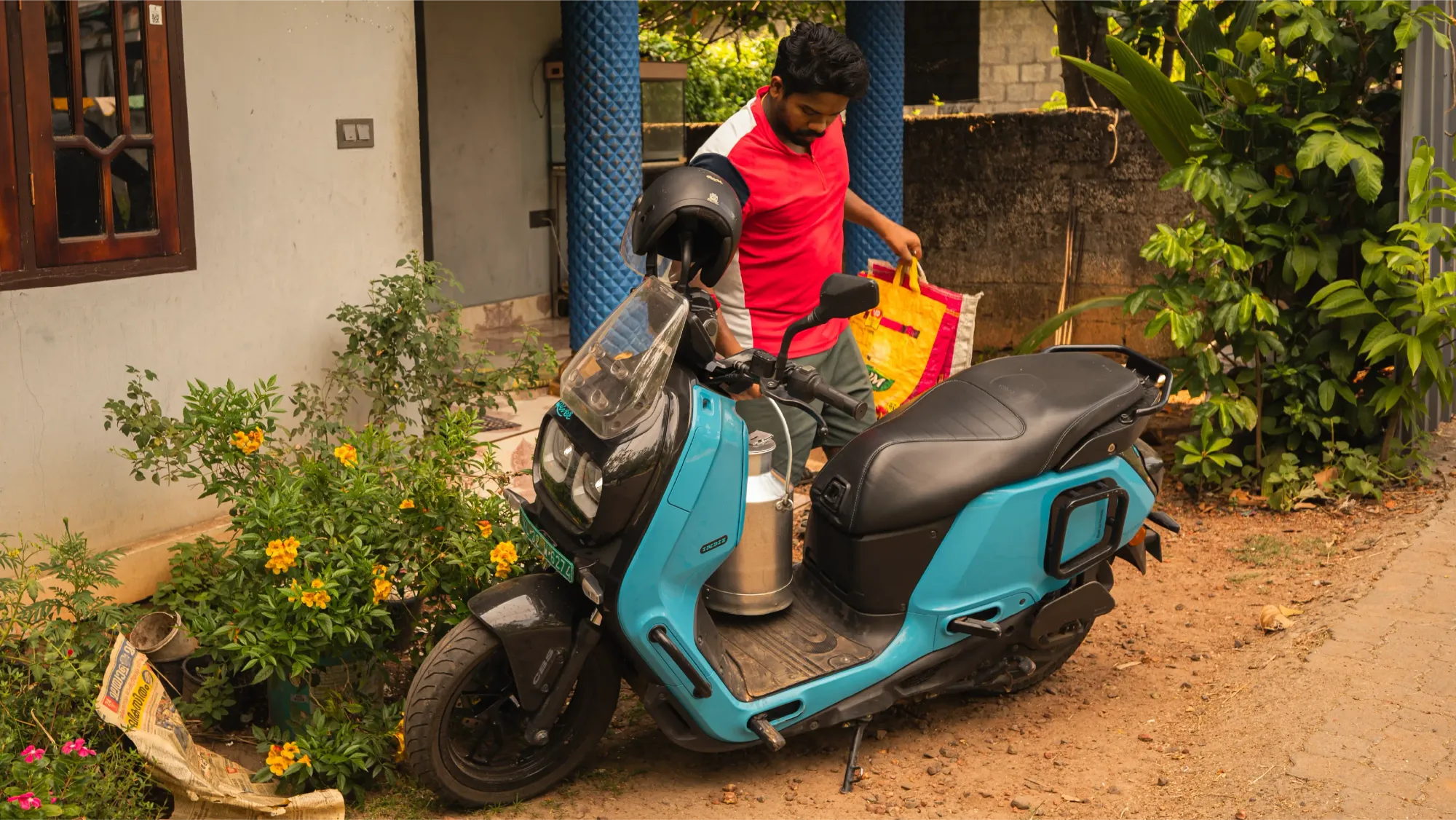
Gopalan’s scooter carries big milk cans stacked in improbable ways that suggest a deep faith in gravity behaving itself. He does the same loop every day. Same roads. Same corners. Same chai stall that’s already open when the sun comes up.
Same old routine.
But if, one day his vehicle decides, halfway through the route, that today is the day it feels slightly different: slightly weaker, slightly slower, slightly unsure of itself, his whole morning starts to crumble. Why am I thinking about Gopalan and his commute, and his scooter balancing steel tins while defying the odds of physics?
This, as it turns out, is the sort of thing engineers think about. But I am not an engineer. Not even close. I am just penning down a rather interesting conversation I happened to have with my colleague-friend-River’s in-house-snack-enthusiast Mazher Ali Baig Mirza. Or simply, Mirza. Mirza is also River’s lead engineer and original mastermind behind this thought. On a particularly grey day at work, I decided to pick his brains about the topic.
And his thinking doesn’t start with the scooter.
It starts with the rider.

Think like a rider
“What does their day actually look like?” he asks as he munches on a ribbed masala chip at my desk.
“Uhm whose day”?
“The rider’s” he answers. I stare at him blankly.
“What do you think they carry on a daily basis?” he probes again. “Aah” I exclaimed, mildly understanding what he meant. And so it begins. Our little brainstorm.
What does a rider carry on their scooter in India? Lets see:
A 19 year old might be carrying a cricket kit, a backpack that was theoretically meant for textbooks, and a friend on the back seat giving directions that are mostly wrong.
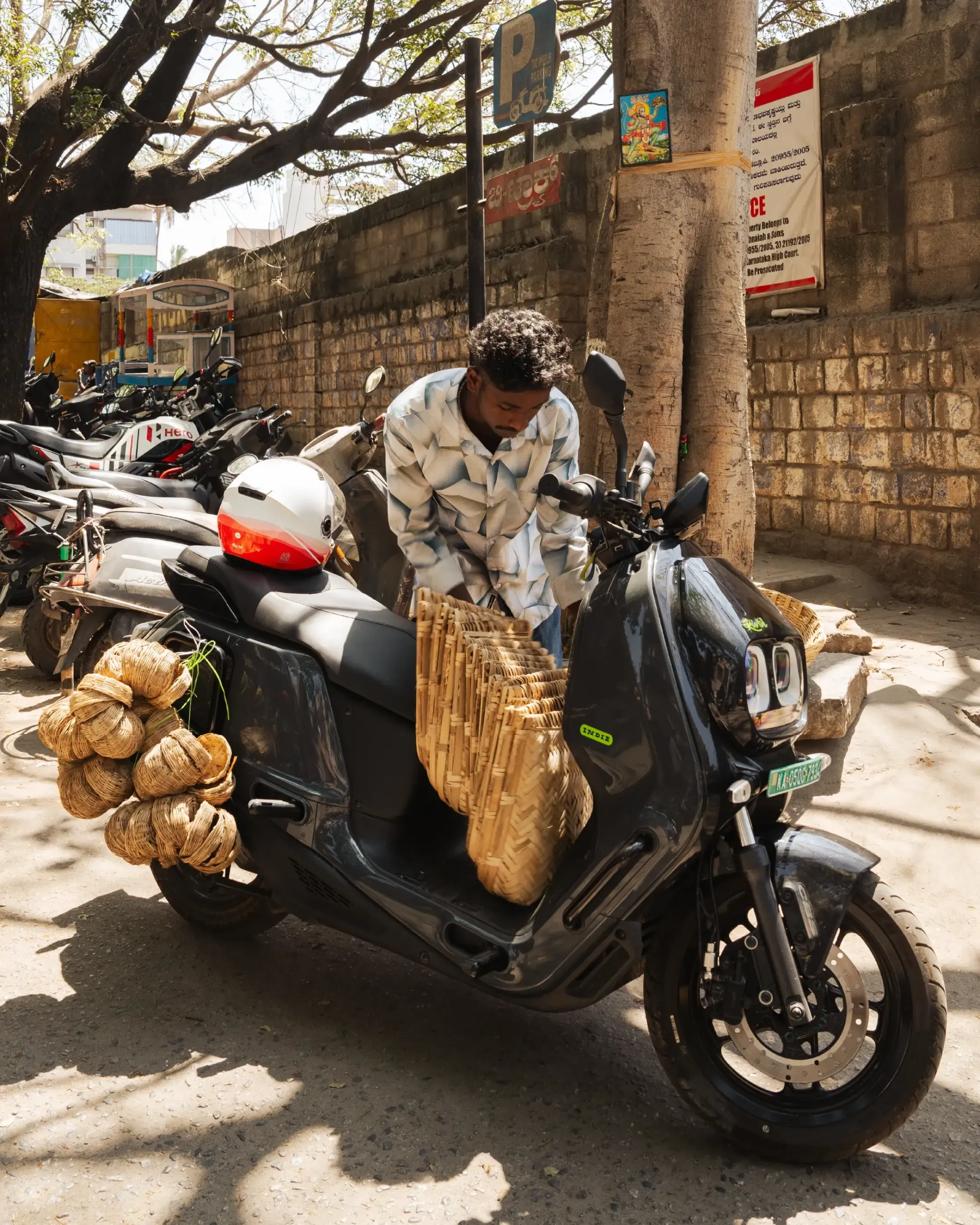
A 27 year old might be using the same scooter to get to work, pick up groceries, swing by the local cafe to meet her date, and make it home before dinner gets polished off by her flatmates. A 34 year old might be stacking it up with boxes of freshly prepared jams for a farmers’ market, a laundry bag full of creased clothes, a display blackboard and a foldable table.
The point is, a scooter in India doesn’t just move people. It moves lives around.
Is the old cliche true?
There’s something engineers care about deeply but rarely explain in human language: consistency. Not speed, mind you.
Consistency.
“Consistency is everything” says Mirza. Was he giving me advice? But I didn't disagree. I went on to ask him what it means when it’s about building a vehicle.
He thought about it for a moment. This is a paraphrased version of his answer:
On a standard electric scooter, performance quietly fades as the battery drains. The throttle response at 80% charge feels different from the one at 30%. Different again at 15%. The rider adapts, unconsciously, recalibrating their confidence with every dropping percentage point. Let’s go back to Gopalan again. He doesn't know what State of Charge or SOC means. (Neither did I). What he knows is that around the time he is passing through the final bit of his daily route, his scooter starts to feel slower and more reluctant. This is what engineers describe as performance degradation. What Mirza and his team were after was something different: a vehicle that feels exactly the same at the end of the battery as it did at the beginning. This required rethinking the engine and battery entirely. These needed to stop being two separate things and start being one system that maintains itself throughout the journey. Full power, full response, right until the last leg of the route. No fading. No hesitation.
But consistency alone isn't the whole story either. India's roads are not the easiest to navigate. They offer slopes, surprise potholes, sudden braking, gravel patches, and sweet yet stubborn dogs who own the streets. A scooter loaded with canisters or groceries or a cricket kit or a carry-on suitcase needs to stay balanced when it hits a bump. It needs to be stable in its steering when fully loaded.
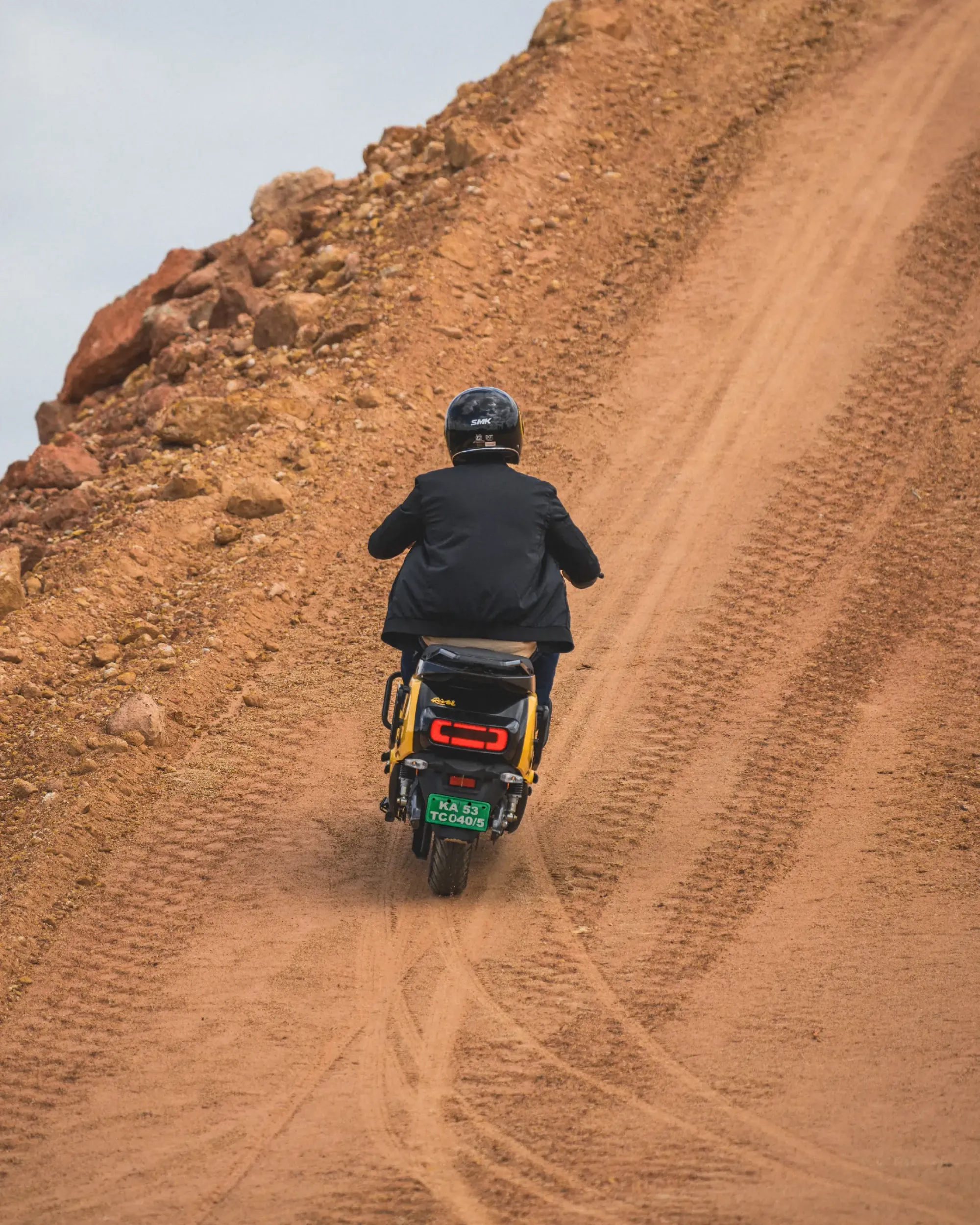
These are the things that quietly drain a rider. Not the big moments, but the thousand small corrections you make without thinking. By the time you reach B from point A, you're more tired than the distance even deserved. The goal, as Mirza put it, is a vehicle that reduces this tiredness. One that handles the road so the rider doesn't have to think about handling the road. Ha!
This is where Indie comes in. (Did you really think I wouldn't mention the Indie?)
Meet your space maker
Consider the idea of loading things onto the two-wheeler.
A scooter carrying real weight behaves differently from one carrying none. Any rider knows this in their body even if they couldn't explain it technically. The steering gets heavier. Or worse still, lighter in ways that feel unreliable and wonky.
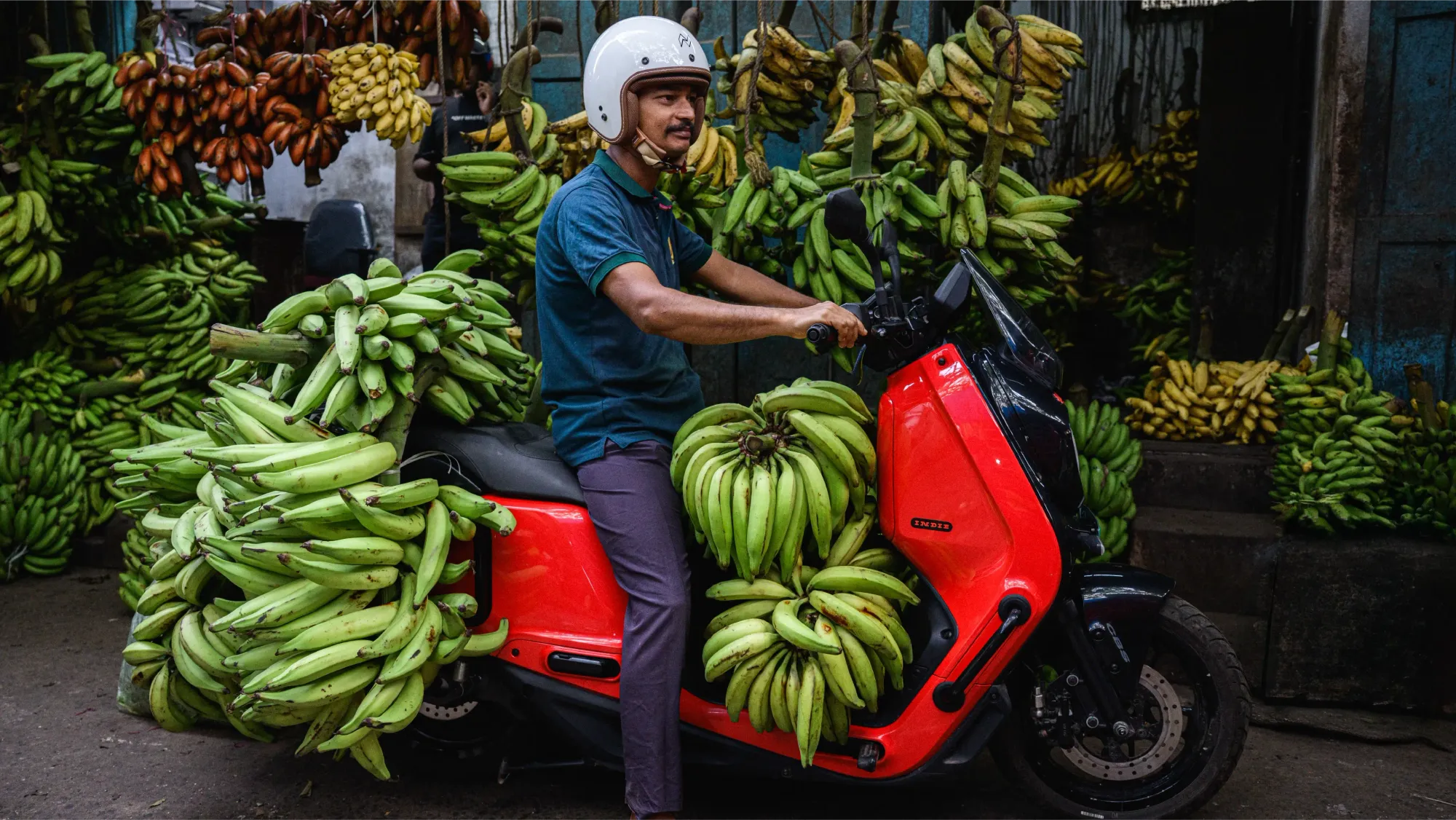
River’s engineering answer to this is something called the Riverbed platform.
Here's the simplest way to think about it. Imagine a Jenga tower. The higher you build it, the more unstable it becomes. Technically fine, until something disturbs it. Now imagine taking those same blocks and arranging them into a wide, low structure. The weight is the same, but the centre of gravity is lower, making it stable by nature.
That's the Riverbed.
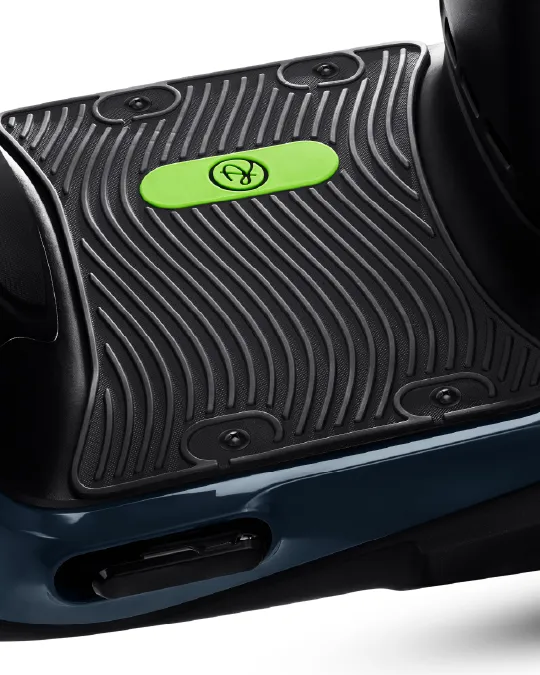
The weight rests at the bottom. The vehicle isn't fighting to stay upright when you load it. It simply stays put. The mechanics of balance. What it also means is this: on a conventional scooter, because the mechanical components are bulky and sit higher up inside the frame, the space available for carrying things is limited and awkward. The floorboard has a hump in the middle where the engine sits. Storage compartments are carved around whatever space is left over after the mechanics have taken their share.
However, in the case of Indie, the mechanical bulkiness is no longer competing for the same space as your cargo. The floorbed becomes fully flat. The area where you'd stack things is now simply open. Which means more space. When Mirza talks about maximising storage, he doesn't mean adding just a bigger boot at the back. He means the entire structure of the vehicle has been arranged so that carrying things is not just an afterthought. Moreover, the vehicle doesn't dictate what it can carry. The rider decides. More capacity, more agency.
Predictability is cool. Predictability is hot.
Nobody wants to be called predictable at a party. But in the context of a vehicle that someone depends on for their livelihood? It is, in fact, the highest form of trust. And at the risk of this sounding like unsolicited dating advice, stable is the best choice. I should take my own advice.
In the two-wheeler world, here's how Mirza would explain predictability. If Gopalan's scooter tells him he has 43 km of range left, it needs to have 43 km left. Not approximately but accurately. Around those 43 km is what is holding the rest of his morning together.
Now imagine his scooter's range display is slightly off. It says 50 km, but it means 45 km. A 5 km variance doesn't sound like much. But it is the exact difference between Gopalan completing his deliveries and being stranded on the roadside with three full cans of milk, no customers, and a dead scooter. So, he stops trusting the number.
For anyone using a scooter for their livelihood, range isn't just a number on a screen it's how they plan their day.
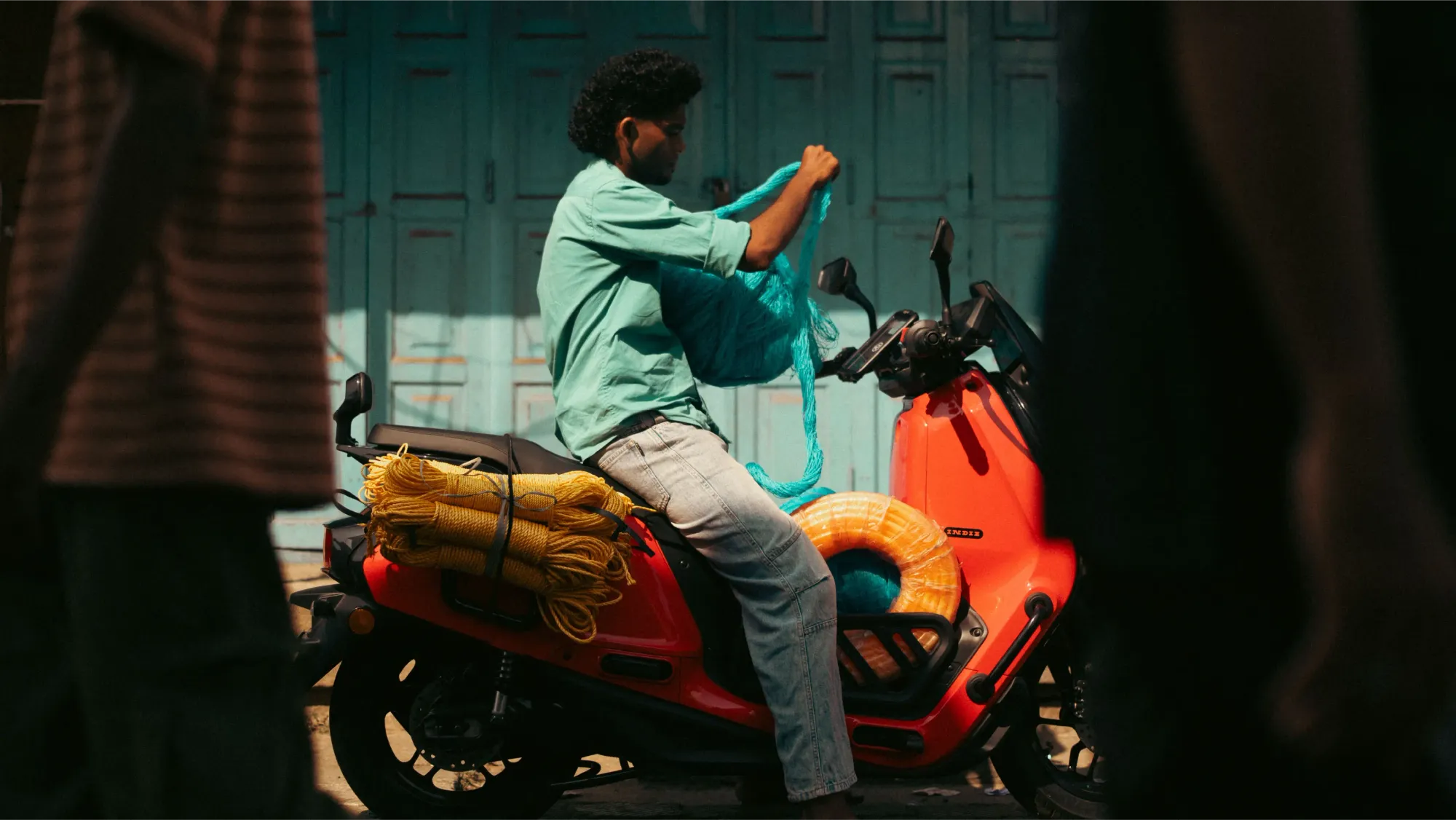
In the beginning, when Mirza asked me to think about the rider, it was simply to reiterate that the thinking behind River Indie didn't start with the motor or the battery. It started with the rider, and what their day actually looks like. Indie was built to be capable, and consistent, and stable, and predictable. A vehicle that is just not a sum of its separate features, but a seamless feeling. The feeling that the vehicle is working with you. A feeling of blissful joy.