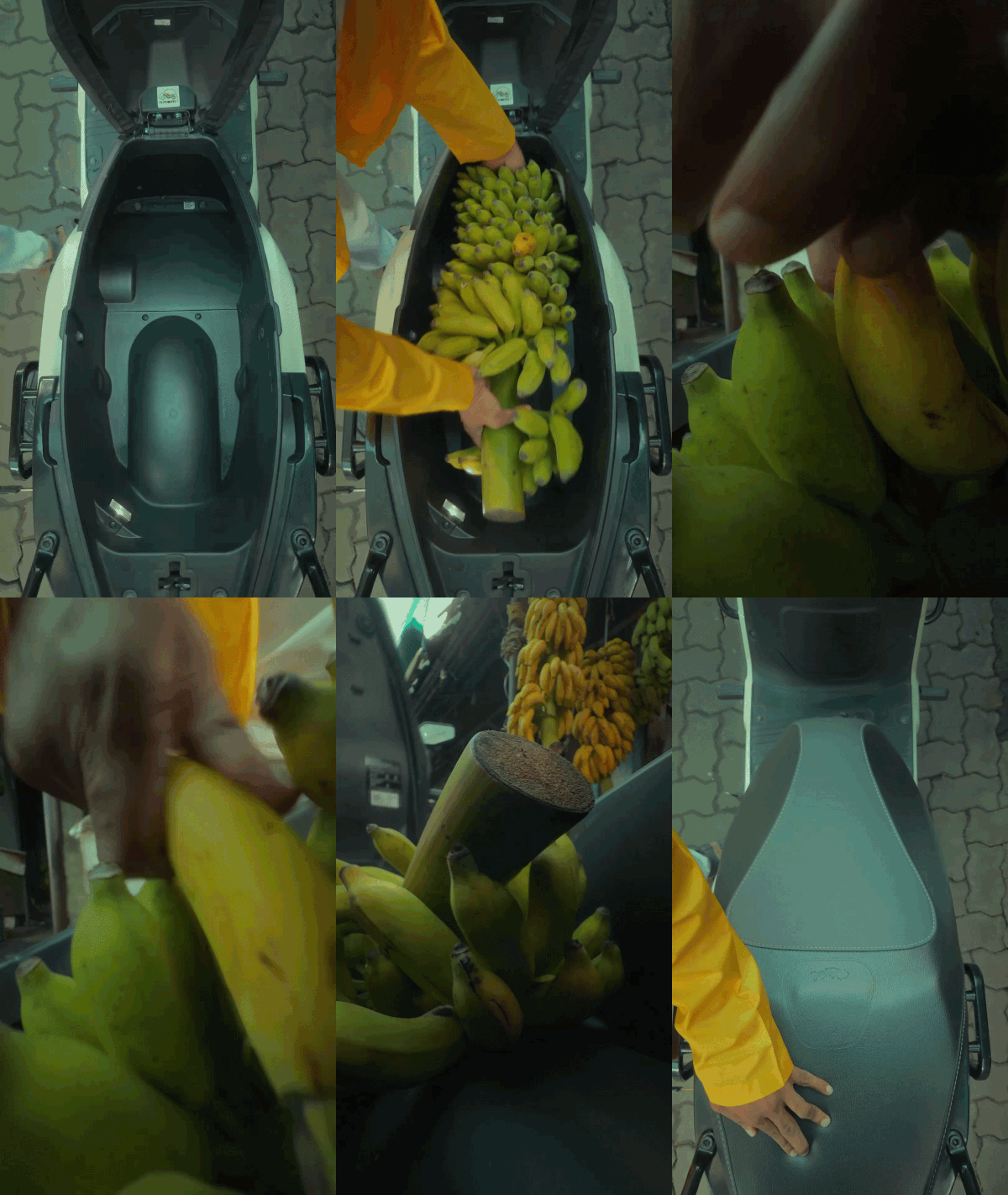
Making Space

“The least we can do is fit in two helmets.”
That simple sentence became one of the defining briefs for Indie’s storage.
Long before they thought about litres, grocery bags or luggage, the team set out to solve one everyday frustration: where do two helmets go once the ride is over?
Most scooters could carry a mid-size helmet. Few could comfortably carry two. And it was always a gamble if your helmet happened to be slightly larger than average. You’d push down on the seat, lean your weight into it, maybe even body slam it shut—just to hear that satisfying click. It seemed like a small inconvenience but it happened every single day.
“We designed the storage for the rider and the pillion, keeping the focus equally on both,” explains Vaibhav, Lead Designer, Industrial Design (ID) team.
He goes on to explain a common inconvenience for two-wheeler riders. “Once you’re at your destination, what happens to the helmets? Usually, they’re dangling from the handlebar, swinging off an arm, or relying on some jugaad that isn’t safe from theft or damage. So we thought, why not have storage that’s actually usable? Put both helmets inside, lock it, and forget about it. If you need to store anything else, there’s the glove box too. This makes the whole experience completely hassle-free!”
As the philosophy behind Indie evolved, the goal became to build The SUV of Scooters. Storage naturally became one of its defining features.
Today, that’s exactly what many owners remember first. They rarely talk about litres. Instead, they talk about what the storage lets them do.
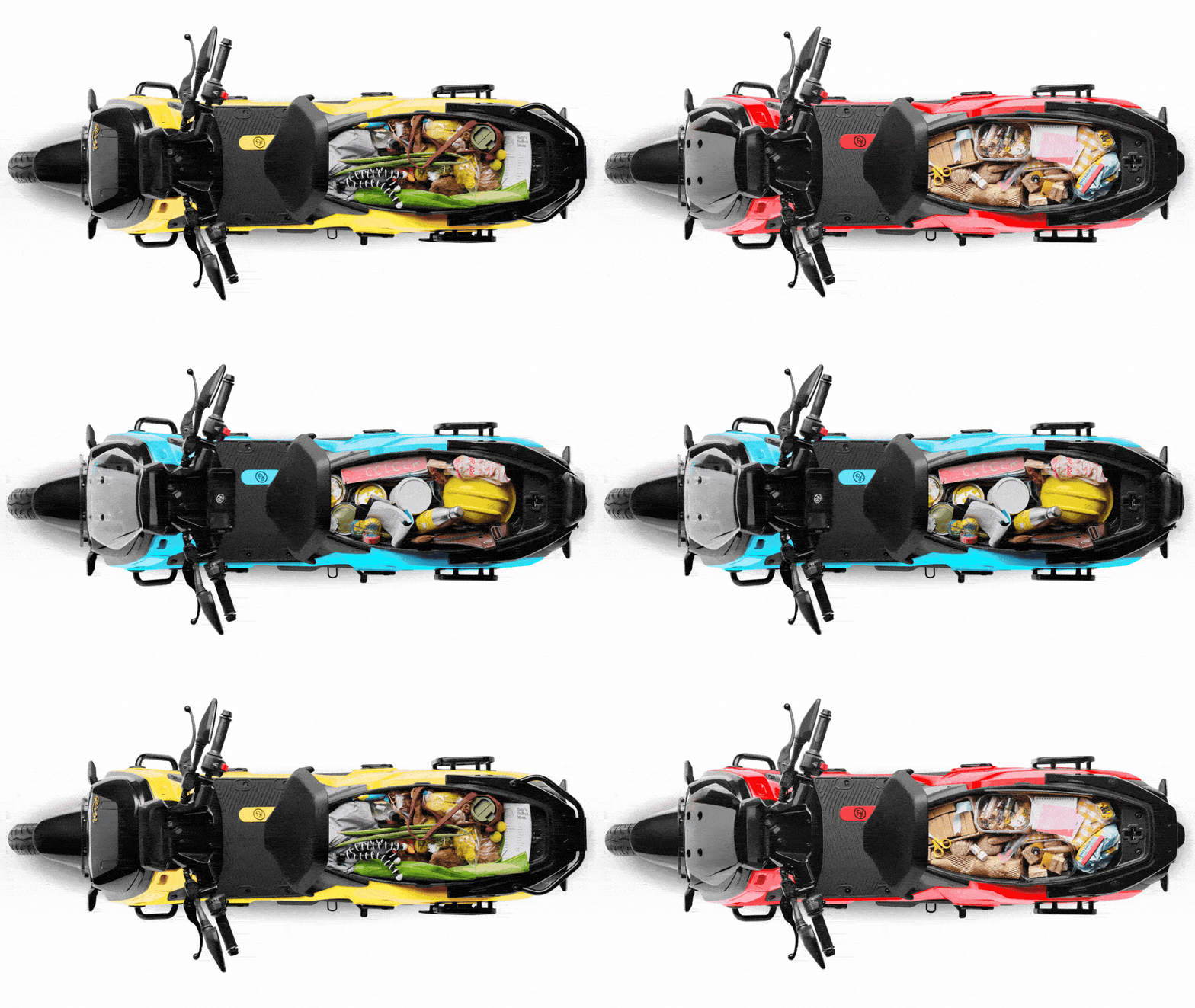
The bare necessities
The first question wasn’t how many litres the storage should hold. It was what the storage should comfortably carry.
For Vipin, the benchmark was a European full-face racing helmet—one of the largest helmets you can buy. If that fit snugly, everything else would follow.
Much of the scooter’s architecture was centred on creating usable storage, wherein the needs and everyday functions of the rider dictated what worked. It also became one of the earliest expressions of River’s utility-lifestyle philosophy: where everyday practicality creates the freedom to do more.
“Because large storage was a defining requirement, how we packaged most components played out differently,” Vaibhav says. “It was an inside-out design philosophy. Once the absolute necessities like the motor and the battery found its place, around that came the storage.”
From there, it became an exercise in making the most of every bit of available space.
The team kept asking the same questions: Could the storage go a little deeper? Could it go a little wider? Could another pocket of unused space be reclaimed?
50 litres of underseat storage was the first blueprint. But iterations revealed that it was becoming less about the number of litres and more about what the space represented. For instance, the depth and shape determined if it can fit a full-face helmet or an open-face helmet. Ultimately, 43 litres was found to be the practical limits of what would fit inside a scooter—that it could carry two helmets while keeping intact its architecture, proportions, and riding position.
The invisible work
Vipin likes to joke, “Indie is basically two boxes. You connect them, put two wheels, a handlebar, a seat, and that’s Indie.”
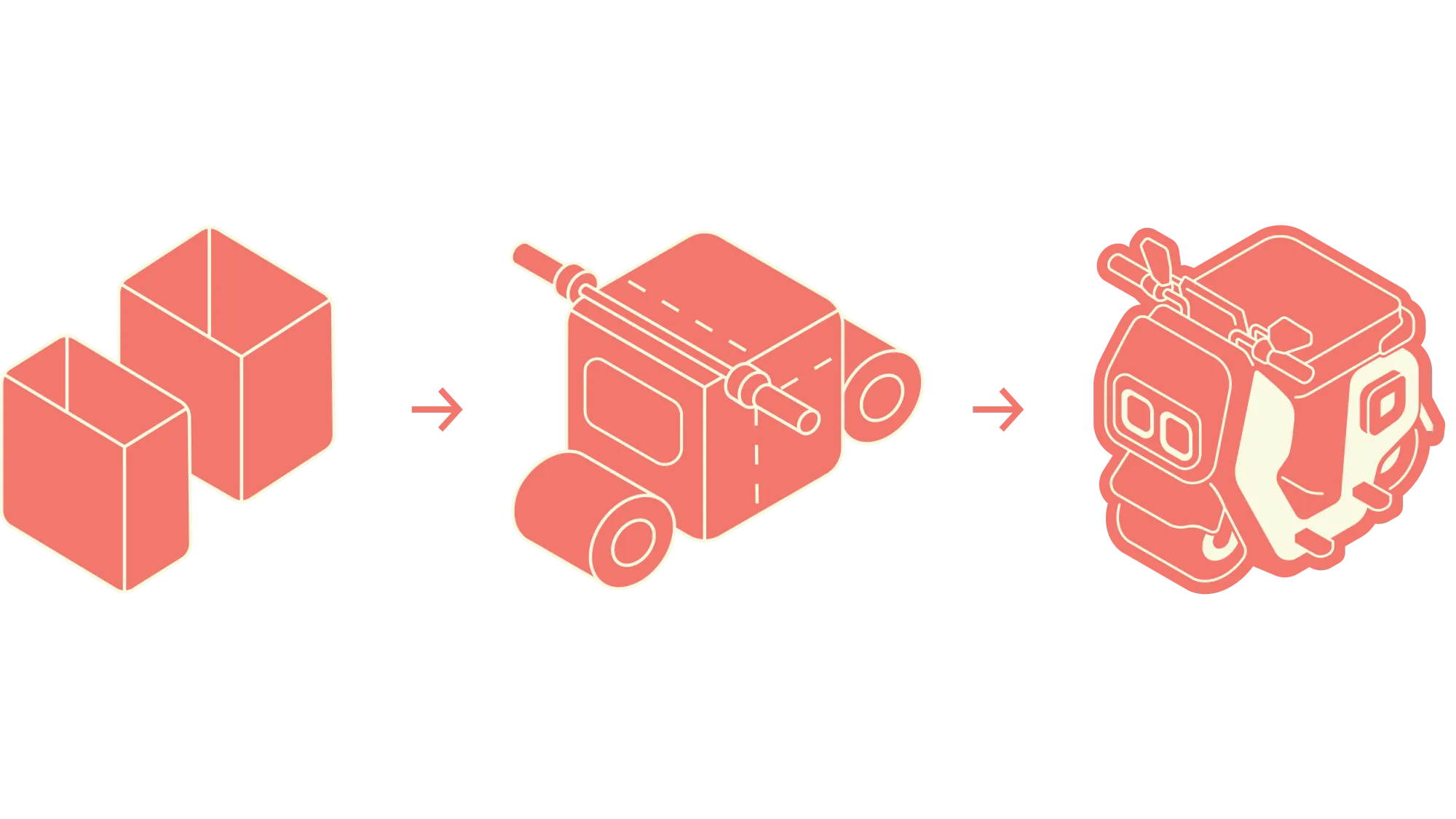
It’s obviously an exaggeration, but only just.
To preserve every possible litre, the team developed a two-piece construction that could snake its way around the scooter’s architecture without compromising strength. It sounds like a small engineering decision but it took months of designing and development engineering to make it work.
Even after the Indie Gen 1 was out on the road, the work didn’t stop. The scooter kept evolving.
When the Indie moved from a belt drive to a gearbox, it unexpectedly opened up another opportunity to rethink the storage packaging.
“The aesthetics and the look remain the same,” Vaibhav says. “But internally there were quite a lot of enhancements. Switching to the gearbox actually helped us clean up the area beneath the underseat storage and make better use of the space.” Meaning, even though the overall volume stayed the same, the storage’s internal shape was refined.
A small protrusion in the storage disappeared, and a few tight corners became easier to use. The kind of improvements most people would never notice on a specification sheet, but would appreciate every time they packed one more thing into the scooter.
That’s perhaps what makes Indie’s storage interesting, very little of the work behind it is immediately visible. A user just lifts the seat and fits everything in—exactly how the ID team wanted.
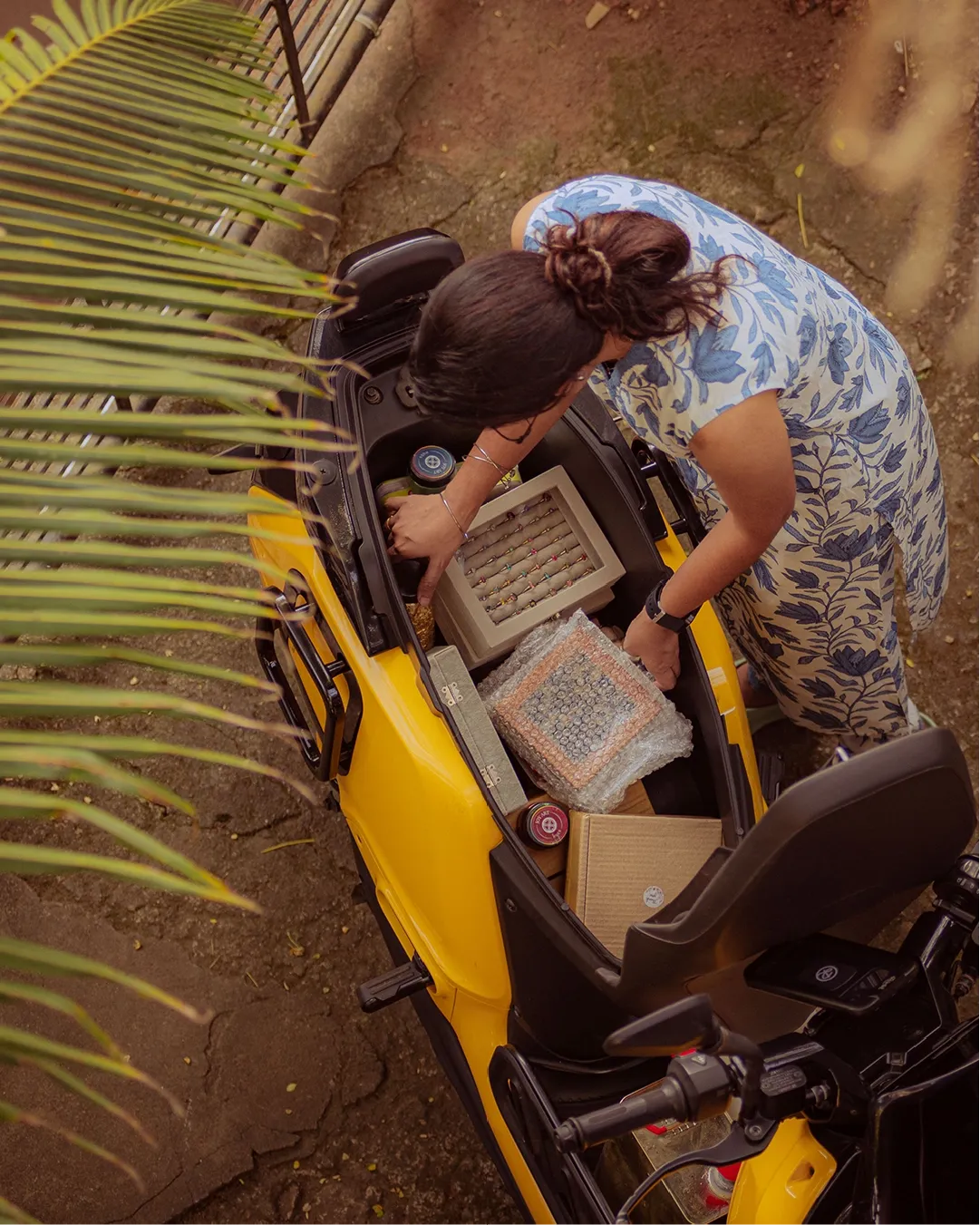
What space makes possible
Sajesh, a customer from Kochi, Kerala, says he mostly uses his storage for groceries and everyday errands. Yet, he recommends the scooter to every shopkeeper he meets because he knows they’ll get even more use out of it than he does.
The ID team never reached the original 50 litres target, but they achieved its usability in 43 litres. Today, Indie owners rarely tell River they love the underseat storage because it is 43 litres.
They tell stories.
About carrying long-stem flowers or banana leaves that don’t have to be bent.
About safely rushing thirty boxes of hot biriyani across the city.
About packing sound recording gear without fearing its damage.
About fitting everything they need to keep their hustle going all day long.
The least the ID team could do was fit two helmets.
Everything else simply found its way in.