Jugaad is Just Another Word for Resourceful

For many Indians, ‘jugaad’ isn’t a clever trick that’s picked up later in life. It’s something you grow up with. You learn it in small ways; watching a parent save biscuit tins to store sewing material, a neighbour making a muslin-cloth tap filter, a shopkeeper turning a cardboard box into a shelf. Long before it becomes a word, it becomes a habit. Of looking at what you have, not what you lack. Of asking, “How can this still work?” And if it works, can it work better, longer, further?
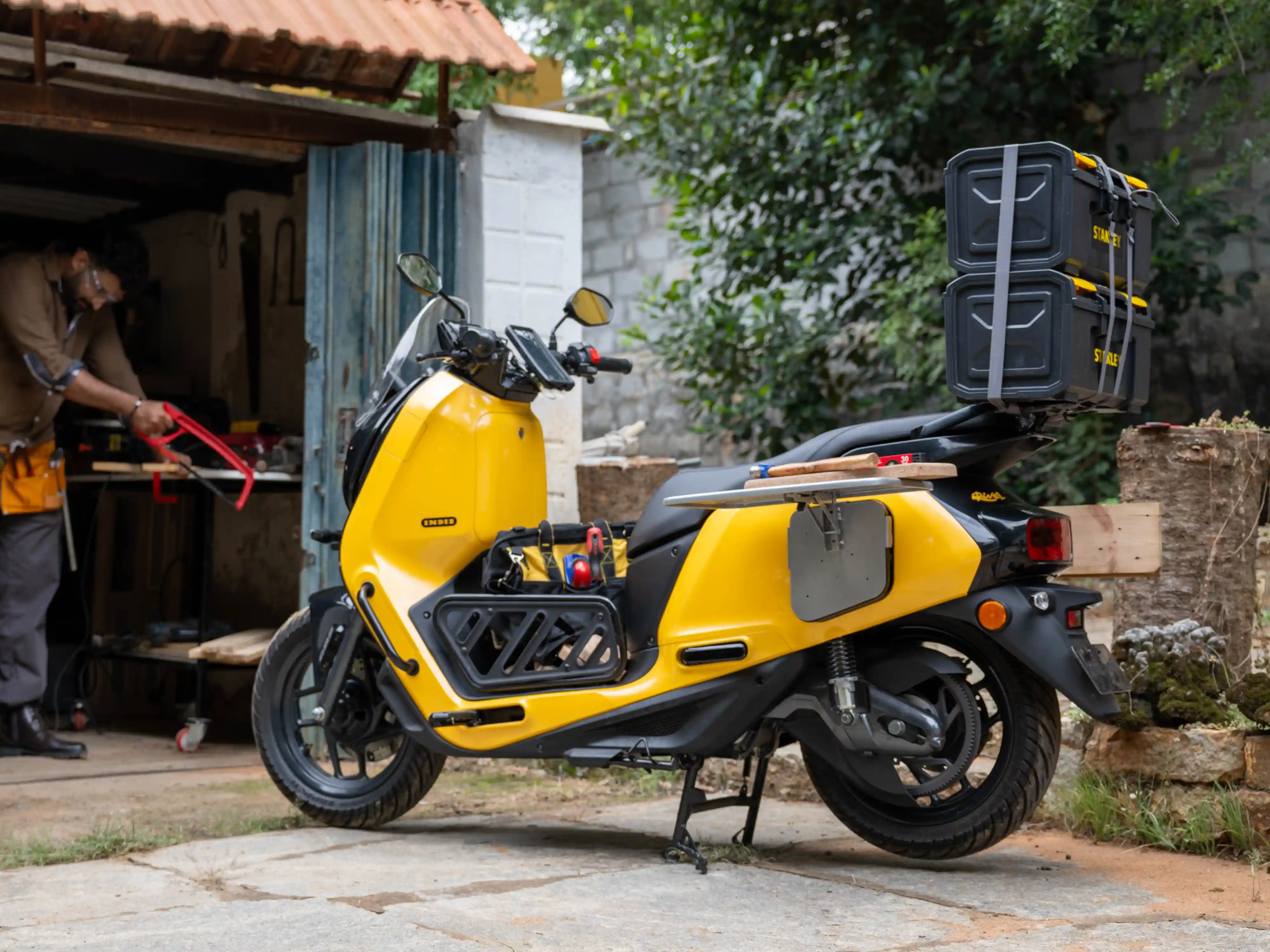
If we look beyond our immediate circle, we’re likely to notice jugaad everywhere—across Indian homes and streets. Things rarely have just one life. A jar becomes storage. An old shirt becomes a cleaning cloth. A wooden plank becomes extra space on a scooter. Nothing is too small to be useful again.
Being resourceful in India is driven by a number of reasons; scarcity of resources, a frugal lifestyle, an innovative spirit, the desire to fulfil a purpose… For our Co-founder, Vipin, his father’s resourceful nature heavily influenced how he envisioned Indie’s utilitarian nature. “My father was a teacher and a part-time farmer, and like many others, he managed his day on a two-wheeler. When he had to carry bulky rubber sheets, placing them on the floorboard left no room for his feet. So he fixed a simple wooden plank underneath the sheets to extend the floor board,” Vipin says with a proud smile—a gesture that continues to hold respect and awe; “he didn’t change the scooter, he simply made room in the most unexpected yet simple way. It’s a small addition that allowed the scooter to carry more without losing its balance.”
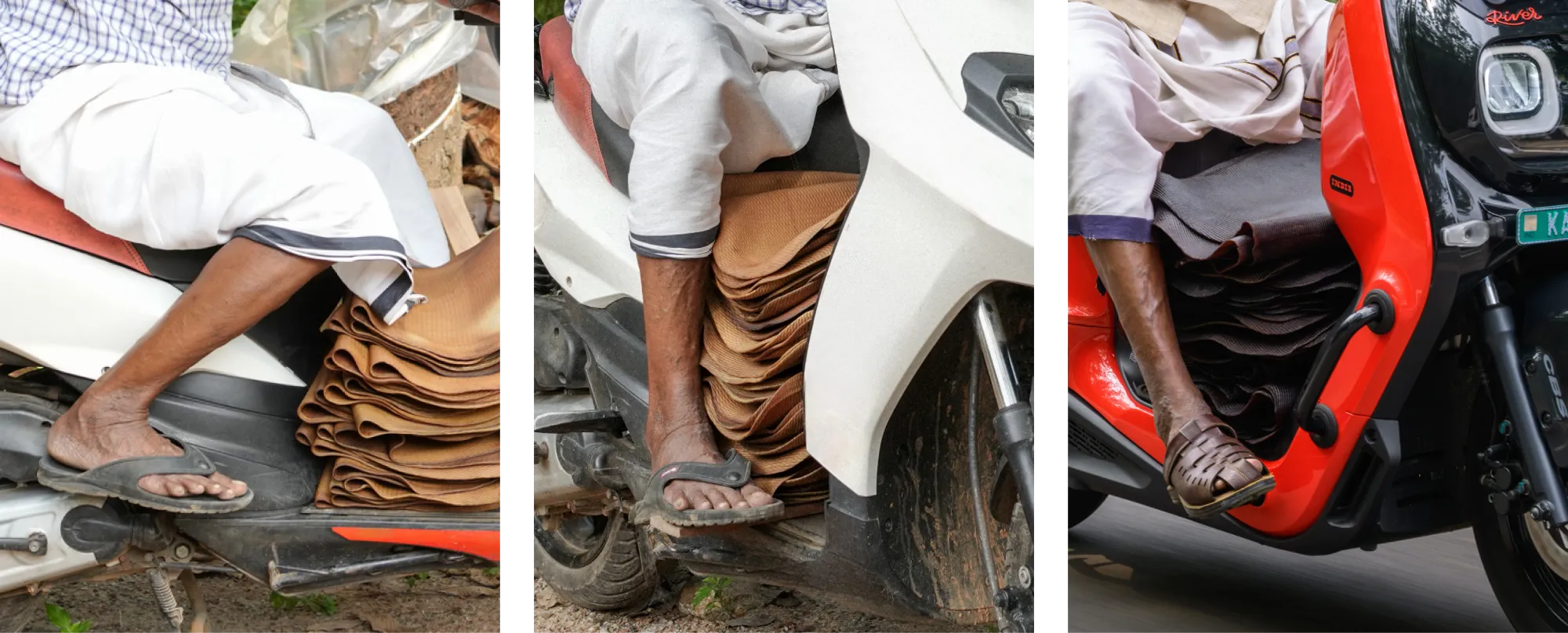
“This innovative solution stayed with me through the years, and later came into effect while I was sketching the Indie. That’s how the front foot-pegs were born—a simple design solution that solves real problems riders face everyday.”
And that’s exactly what our riders say about the front foot-pegs. “The stretched-out riding position is a boon, especially for tall riders. At an average height, I find it just adequate and comfortable. However, taller friends of mine swear the riding triangle suits them superbly. The front foot-pegs make all the difference. I can't believe no other manufacturer had thought of the idea previously.” (Team BHPian: Raskolnikov.R, Bengaluru)
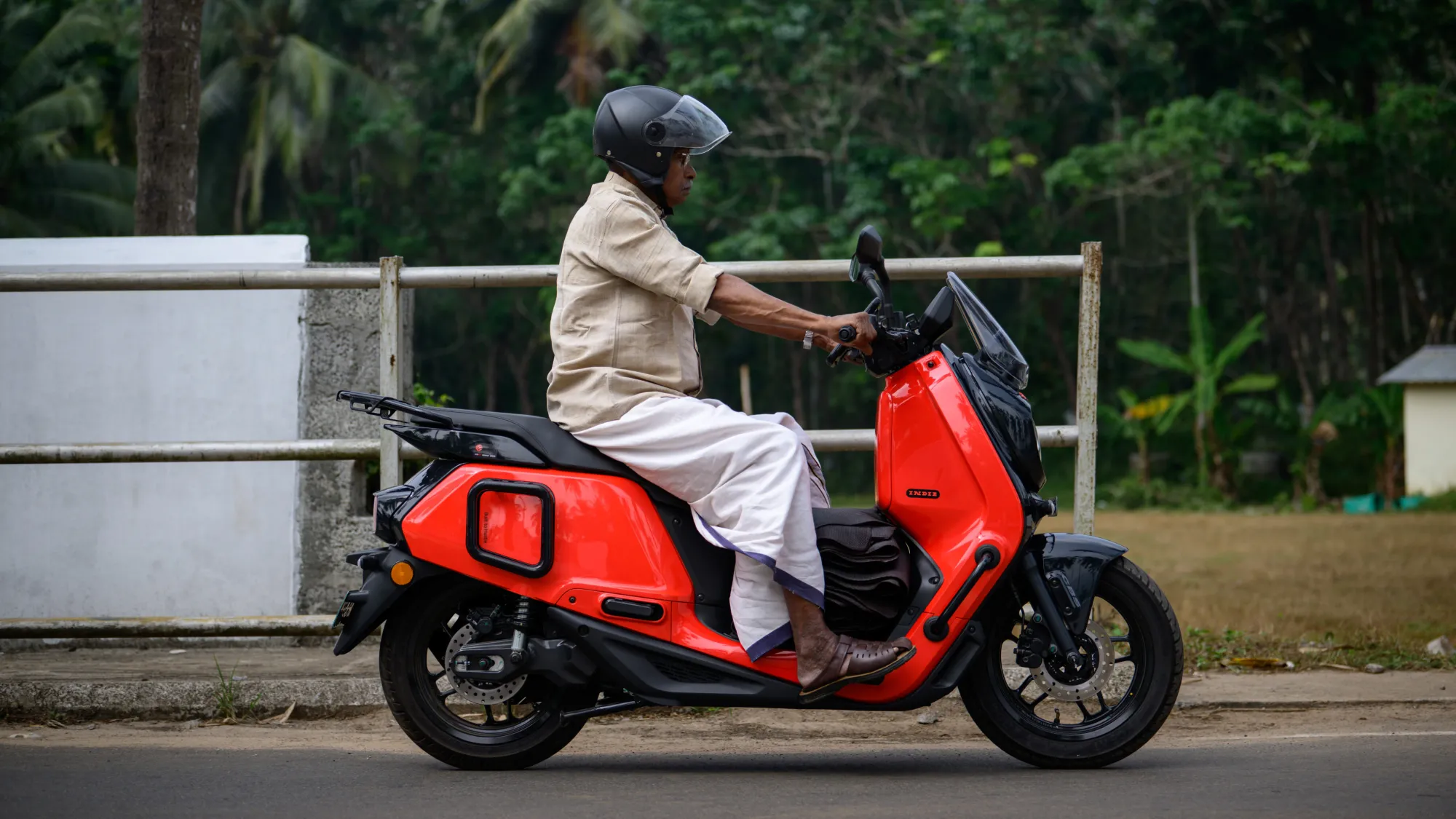
Conventional scooters often followed a one-size-fits-all approach, but we wanted the Indie to factor every possible way a scooter could be used. Once Vipin sketched out the first blueprint, our R&D team, being riders themselves, spent hours on the road observing and talking to daily two-wheeler riders. The Indie had to be a versatile companion for one’s day-to-day journeys. If you test ride the Indie, you’ll notice every detail was designed to ease the daily grind—the spacious seating, the immense storage, the ruggedness for all kinds of roads. All this from a simple thought—how can the humble Indian two-wheeler reach its full potential! Not by replacing what it was, but by extending what it can be–more roles, more everyday usefulness. So what began as a way to carry rubber sheets on a scooter, has quietly turned into a utility-comfort feature with the front foot-pegs.
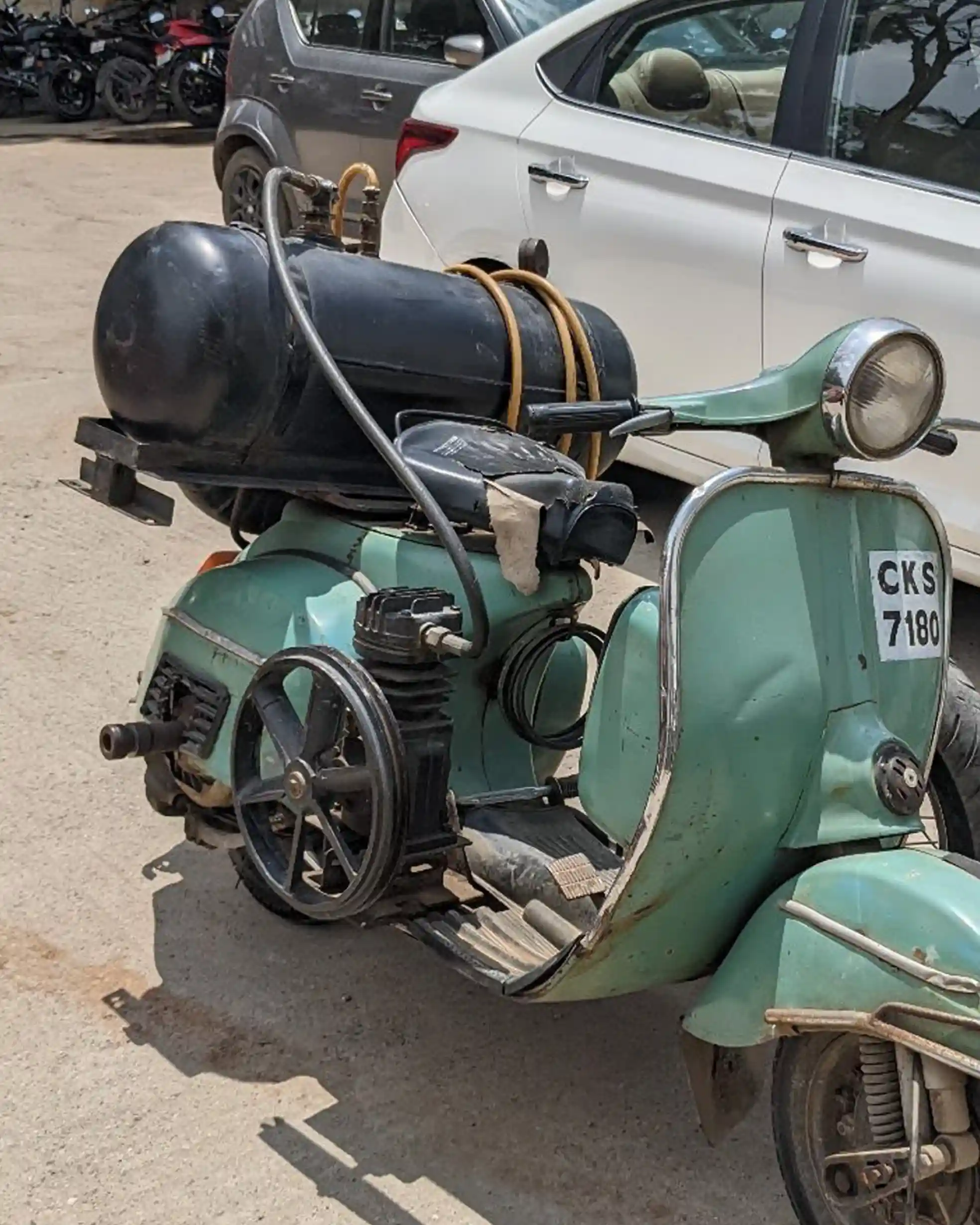
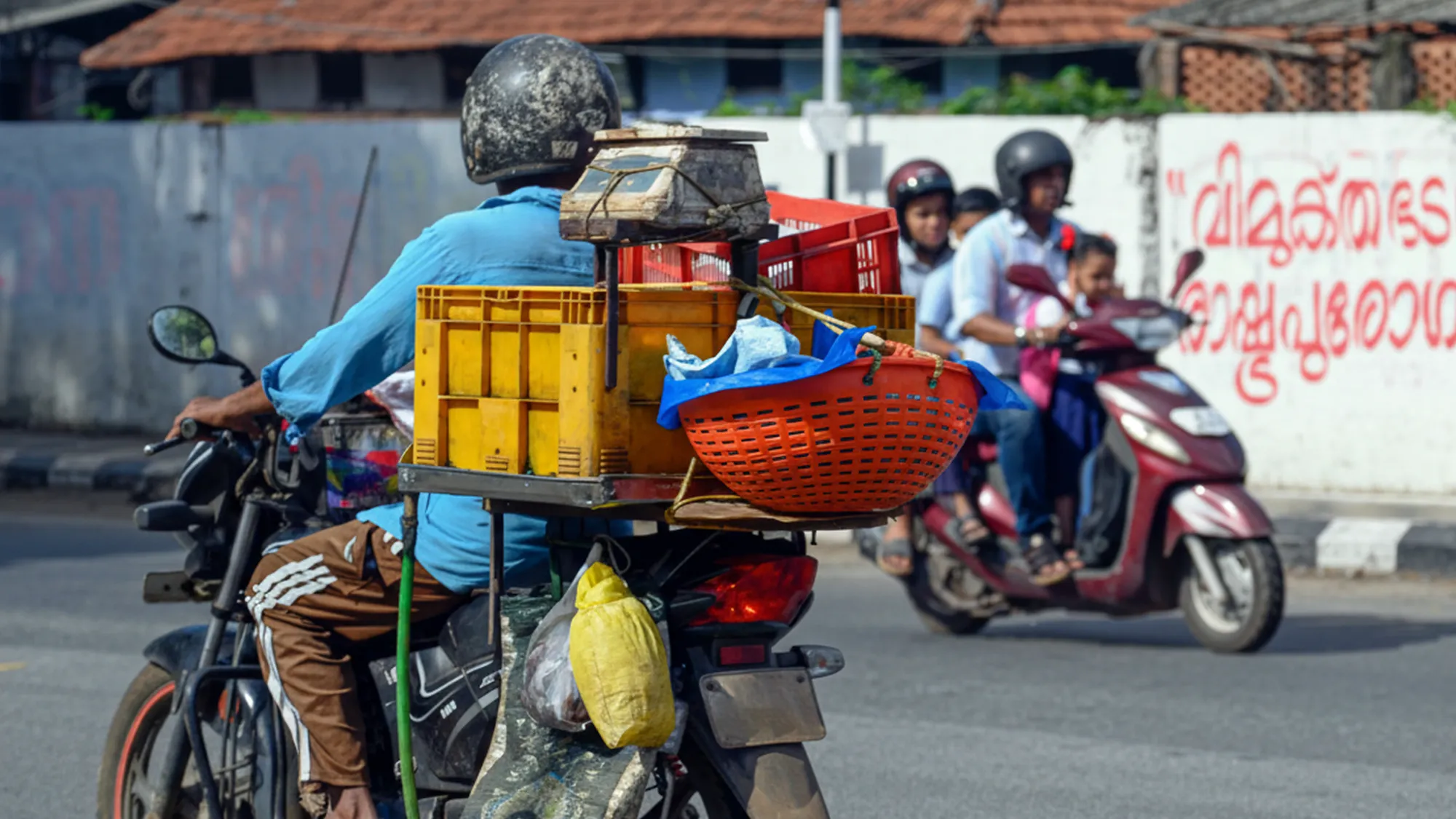
In many ways, that’s how most good ideas in India begin. Not on a drawing board but in the middle of a regular day. Someone trying to carry a little more. Someone adjusting, fixing, adding one small thing to make life easier. And to extend the lifetime of what’s already owned. When you care for what you have, you start seeing what else it can be. That’s how ordinary objects stick around longer than expected.
Most of the time, no one calls this innovation. It’s just common sense, or how we Indians love to call it, “jugaad”—just making things work. But look closer, and you’ll see that these “fixes” travel. One person’s workaround becomes another person’s eureka moment. A solution at home finds its way onto the road. A small adjustment made years ago quietly turns into better design for someone else.
‘Jugaad’ is simply that instinct to try, to reuse, to extend, to not give up on what’s already there and see how much more it can offer. And sometimes, that’s all it takes to turn the simplest thing into something that lasts.