
Grit, Grease and 50,000 Scooters

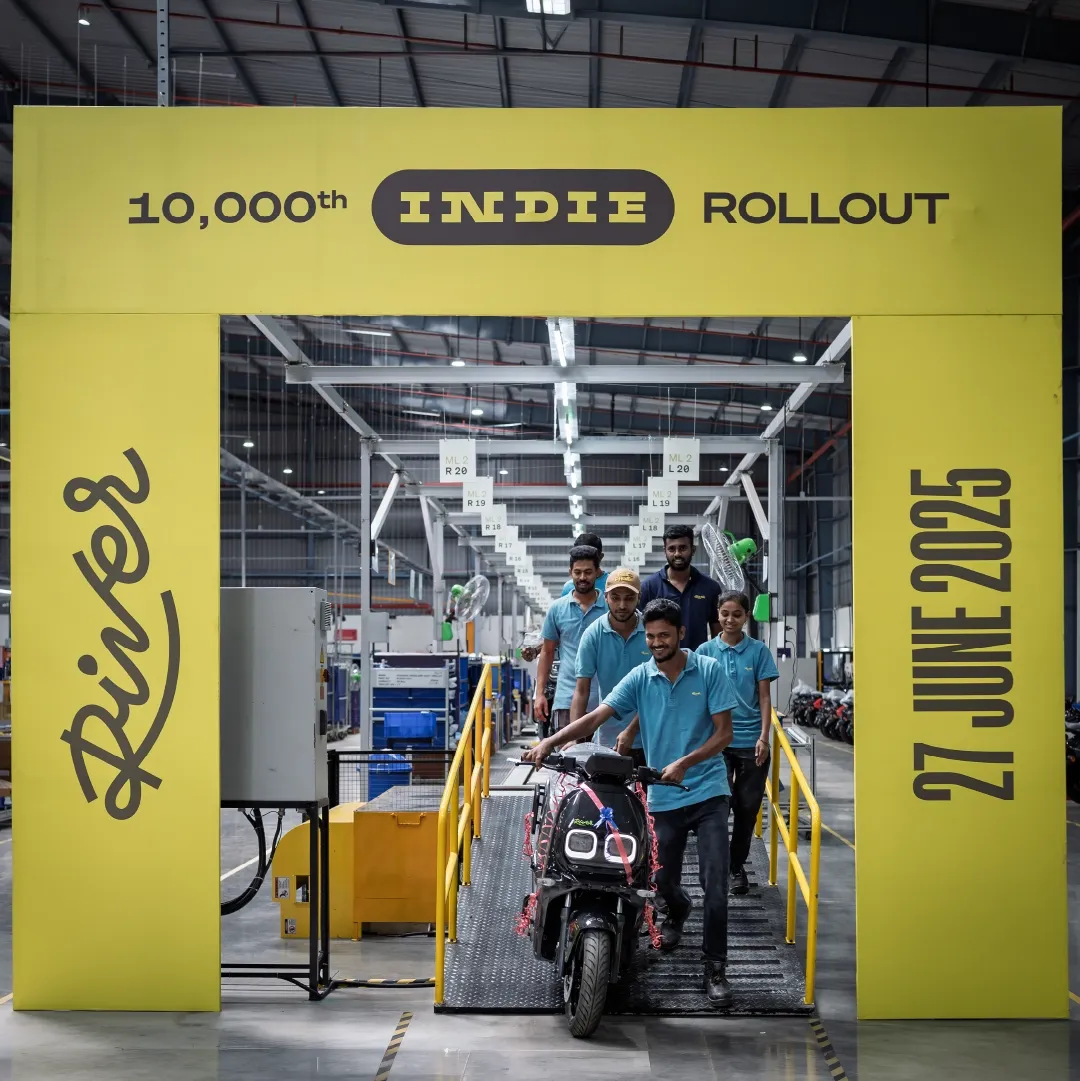
It’s easy to hear the rhythm when walking through the aisles of River’s factory floor. A rhythm born of hands simply working. There’s the occasional machinery crescendo, and the familiar trill of the break buzzer. Everyone on the floor hears it daily, almost like ordinary background music. But on 24th July 2026, the rhythm earned a special encore when the factory rolled out its 50,000th vehicle.
How did it all come to this moment in just 30 months? I took a 45-minute drive to River Factory in Hoskote, and spent about six hours with people to find out.
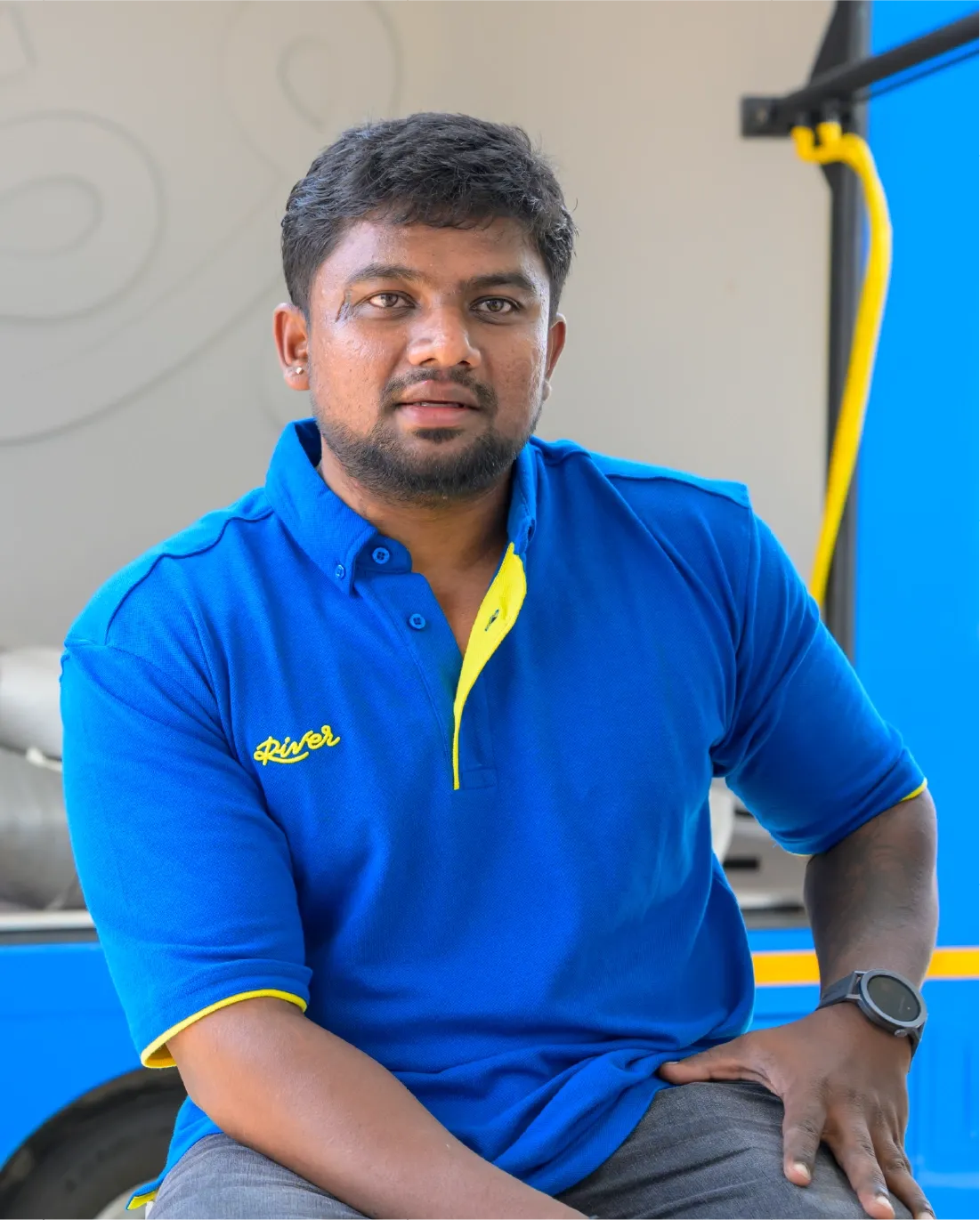
Pavan from Admin
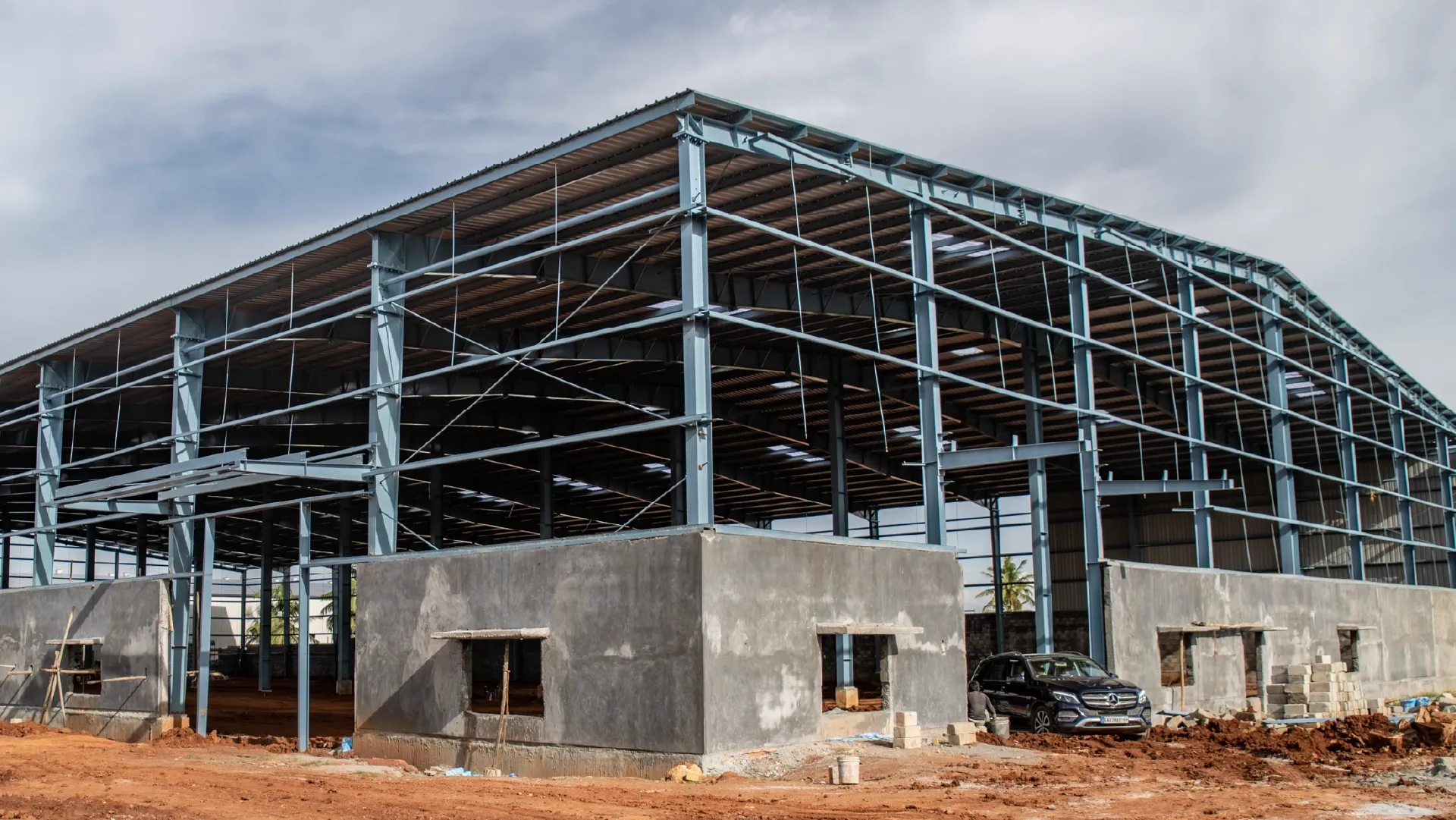
When I walked into the Hoskote factory on my first day, there was absolutely nothing here. It was just a massive, under-construction shed. There was just one other person, a testing engineer sitting in Building 2. For a while, it was just the two of us sitting in this massive empty space. Coming from the logistics industry, this was my first major managerial role of this scale in a manufacturing setup. I was nervous and excited at the same time. My job wasn’t building scooters. It was building the groundwork so others could. Admin, security, transport, the canteen—I had to get it set up and running from scratch. Since day one we decided that there would be no distinction between full-time employees and contract associates. The food, the transport, the benefits, all are identical for everyone. The only difference is the ID number on your badge. If the people building the scooters face friction with their basic daily facilities, they simply can’t hit their targets. I look back now, and it’s hard to believe that this 12,00,000 square-foot land is now a factory of this scale.
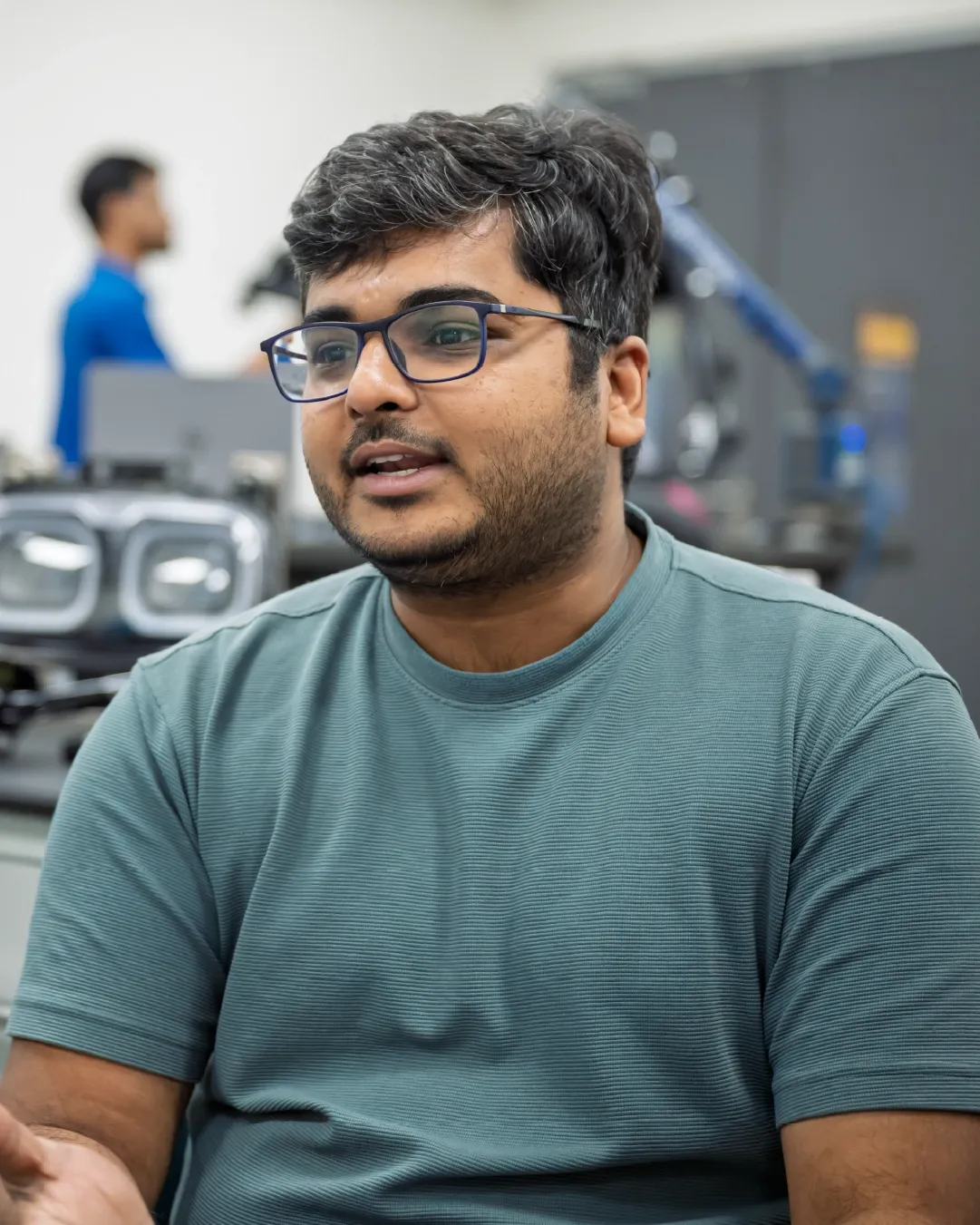
Vamsi from Vehicle Assembly
I think of the factory as a giant machine made of people. I started on the factory floor, or as we call it ‘shop floor’, planning out how to turn this massive space into a breathing, moving assembly line. We had the physical layout, but that alone doesn’t kickstart production. You have to chalk out actual processes. This involved a lot of trial and error, aligning cross-functional teams and suppliers—just figuring out how to make the most of this space. Because this is core to how we function as a lean and agile team. Mayuri (Head of Manufacturing), and the leadership gave us the freedom to make decisions right there on the shop floor, with minimal top-down involvement. Imagine how empowering and scary that feels! The processes we hammered out during those early, chaotic days laid the tracks. All we had to do next was get the people working the rhythm we wrote on paper.
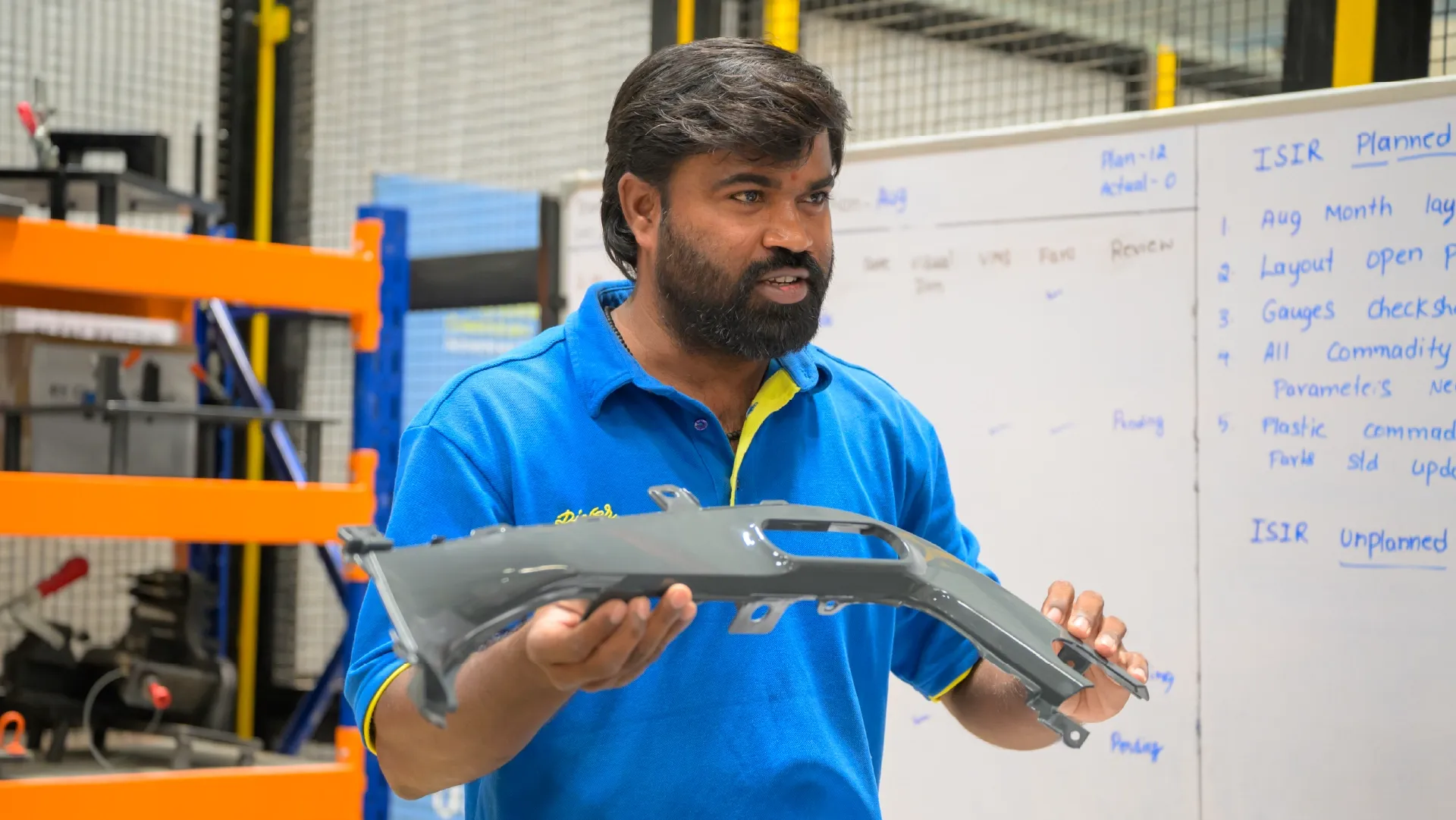
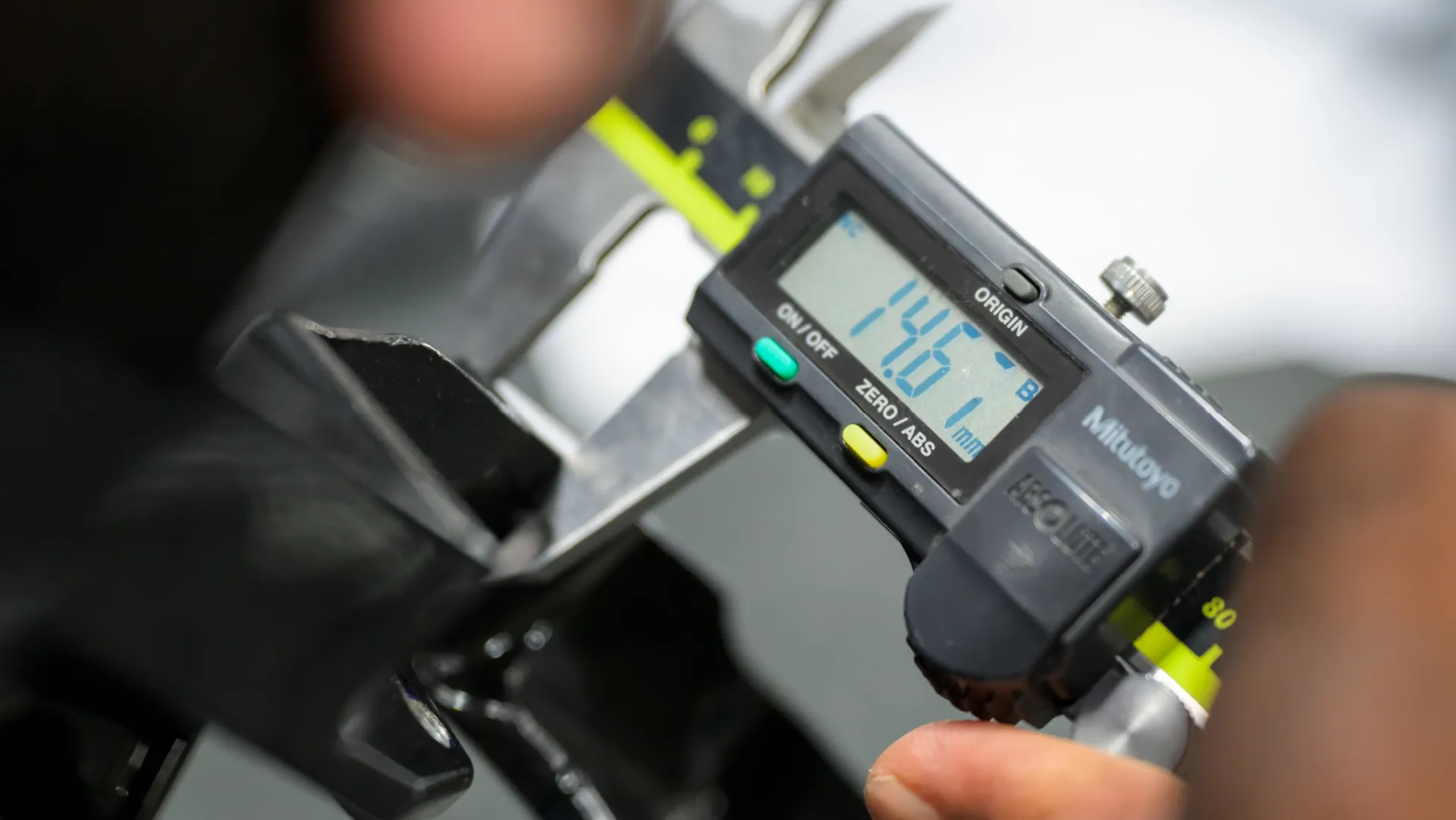
Arun from Incoming Quality Control
I was working at the Volvo factory before this. So when I decided to join River in September 2022, I knew I was risking a lot. River was a startup, and nobody had even heard of the brand. But when I saw the physical design and the durability of the Indie, I was so confident it would work. I started when we were producing 10 vehicles a day, and now see how we’ve scaled (375 vehicles a day as of August 2026)! My responsibilities also grew. I believe in the product so much that I bought the Indie Gen 2. Honestly, sometimes I still can’t believe how much we have done in just a few months. I feel emotional just thinking about it.
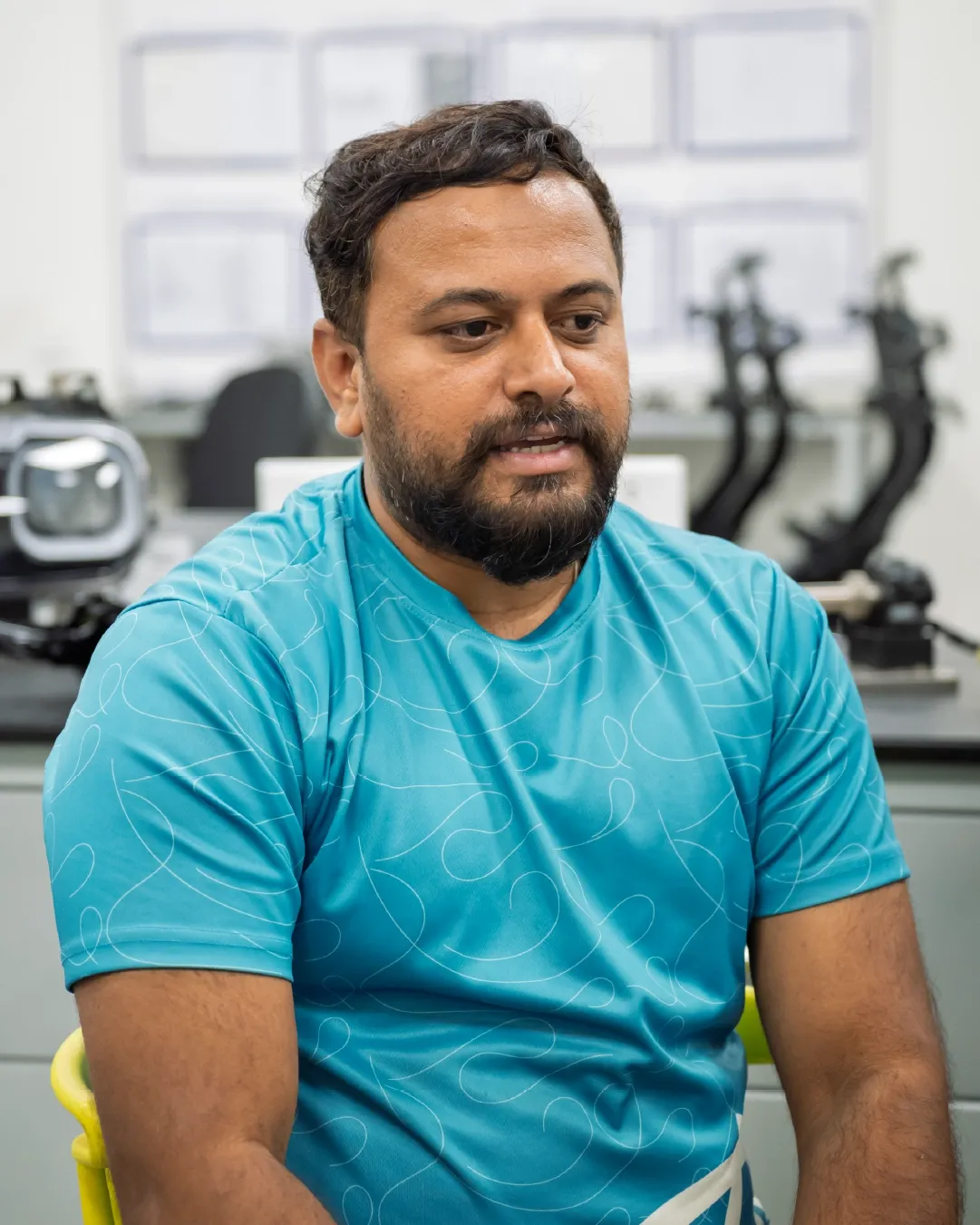
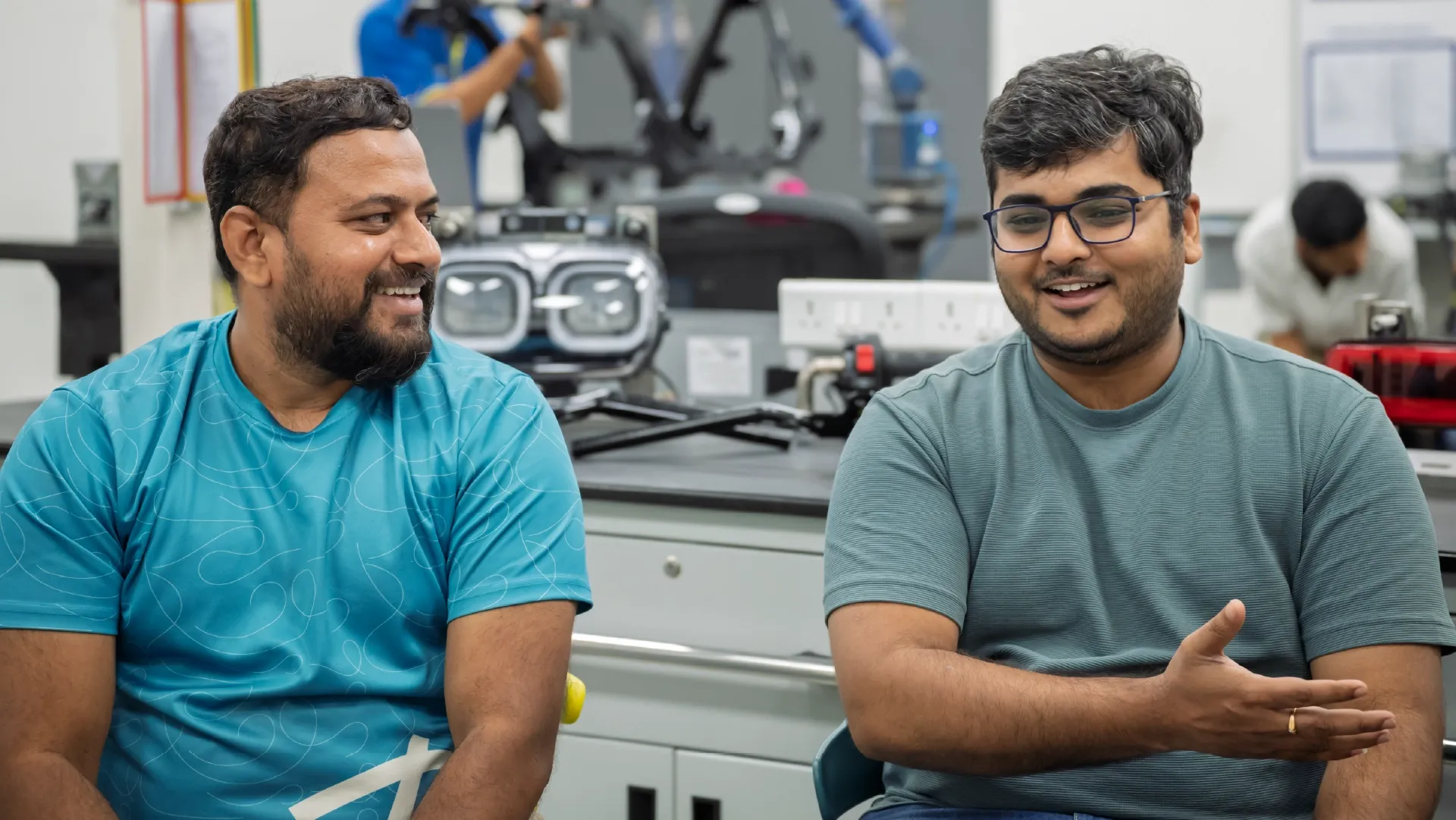
Vinay from Production Planning and Control
We have a motto on the shop floor ‘Beat the Best’. But we aren’t talking about other competitors. We are talking about ourselves. We are constantly trying to beat our own internal production and dispatch records month after month. On getting control of the assembly line, we were pushing out 200–300 scooters a month, supplying a single showroom in JP Nagar in Bengaluru. Now, we are dispatching scooters to more than 70 stores across India. Scaling that fast is intense. This may sound cliché, but we actually treat this factory like a second home. If any of us takes a day off, we genuinely miss the rhythm of the shop floor. We went from zero to hitting full capacity, and driving that kind of daily volume requires a team that actually wants to be here.
Aishwarya from Incoming Quality Control
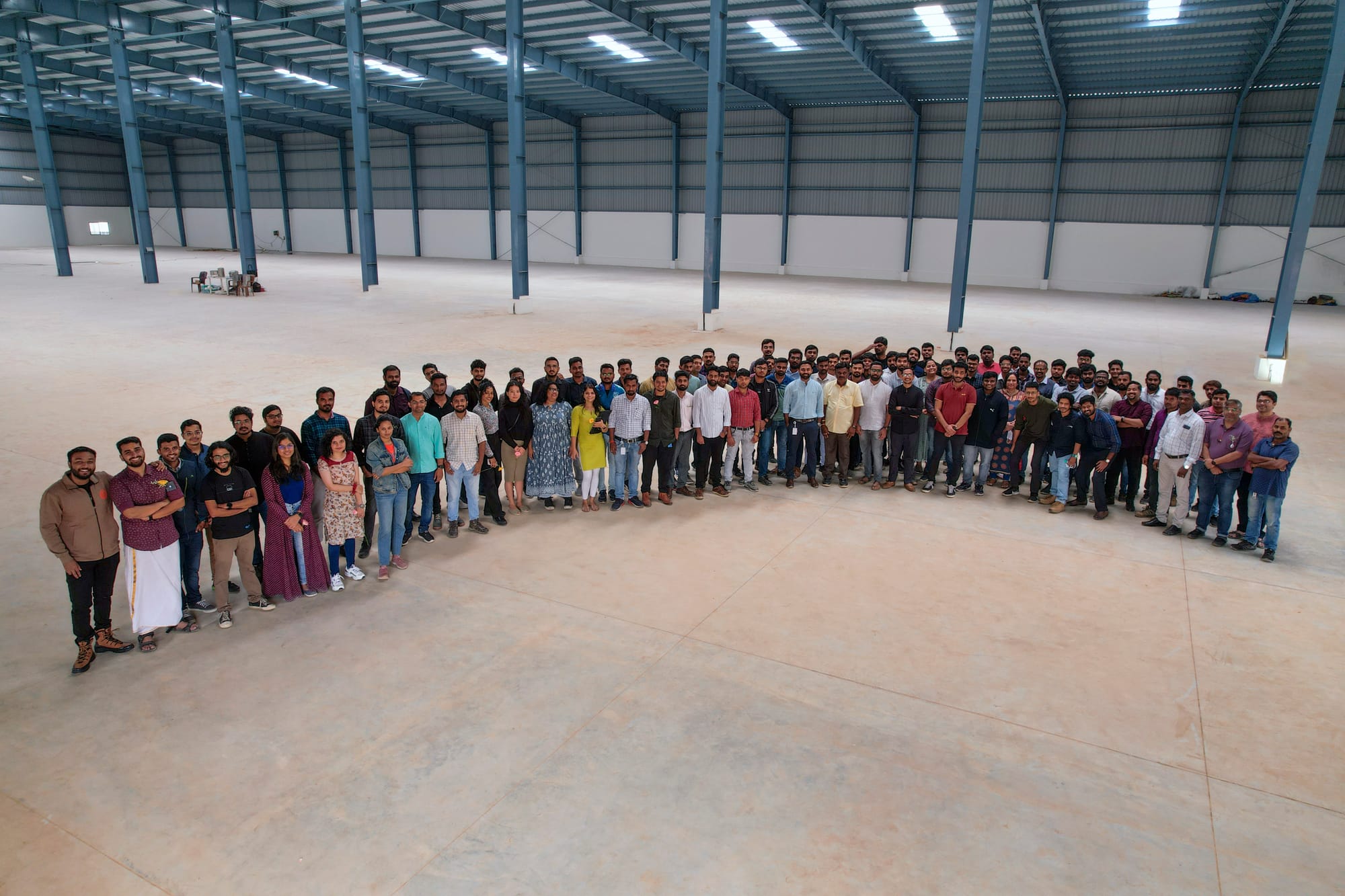
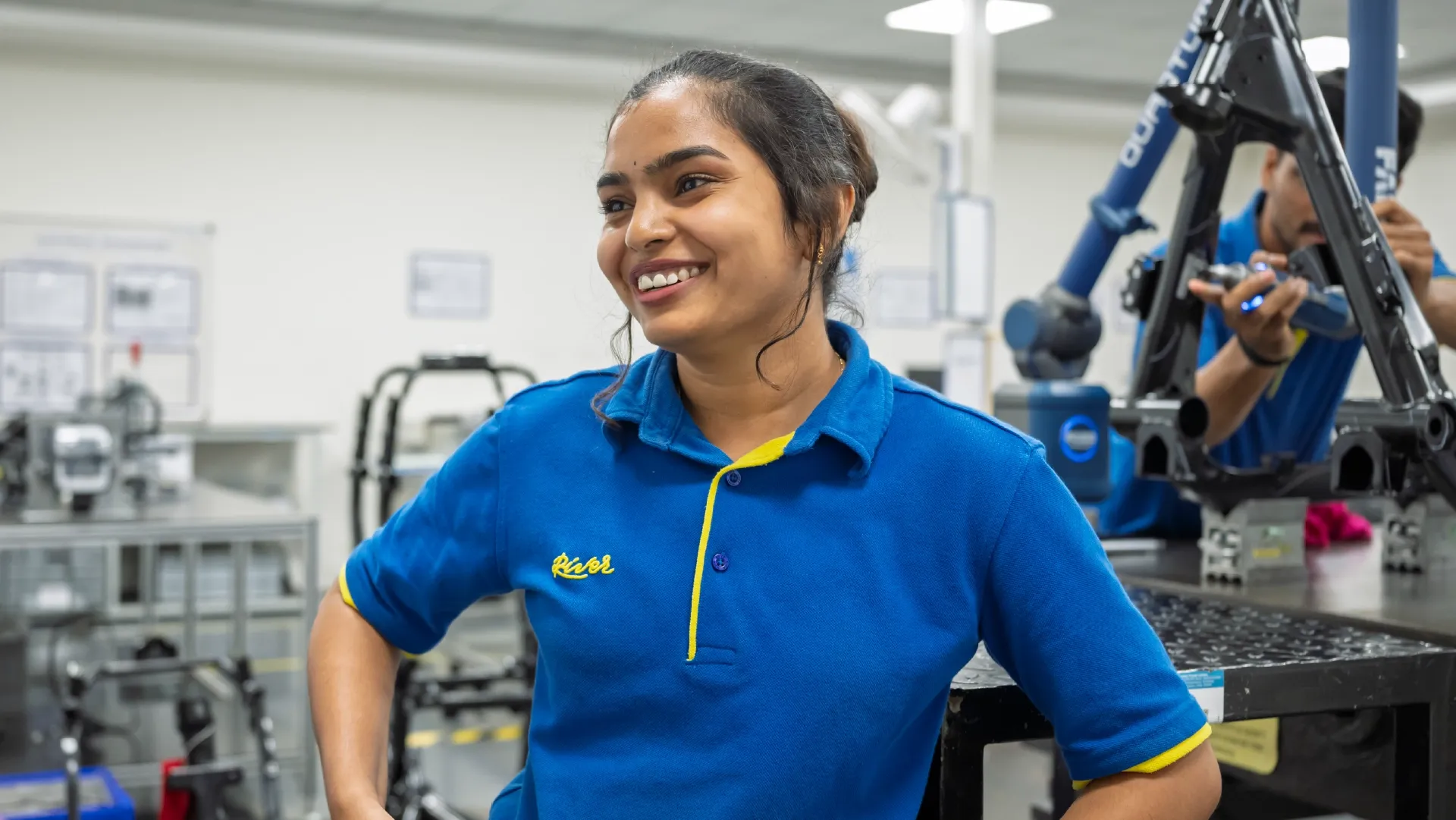
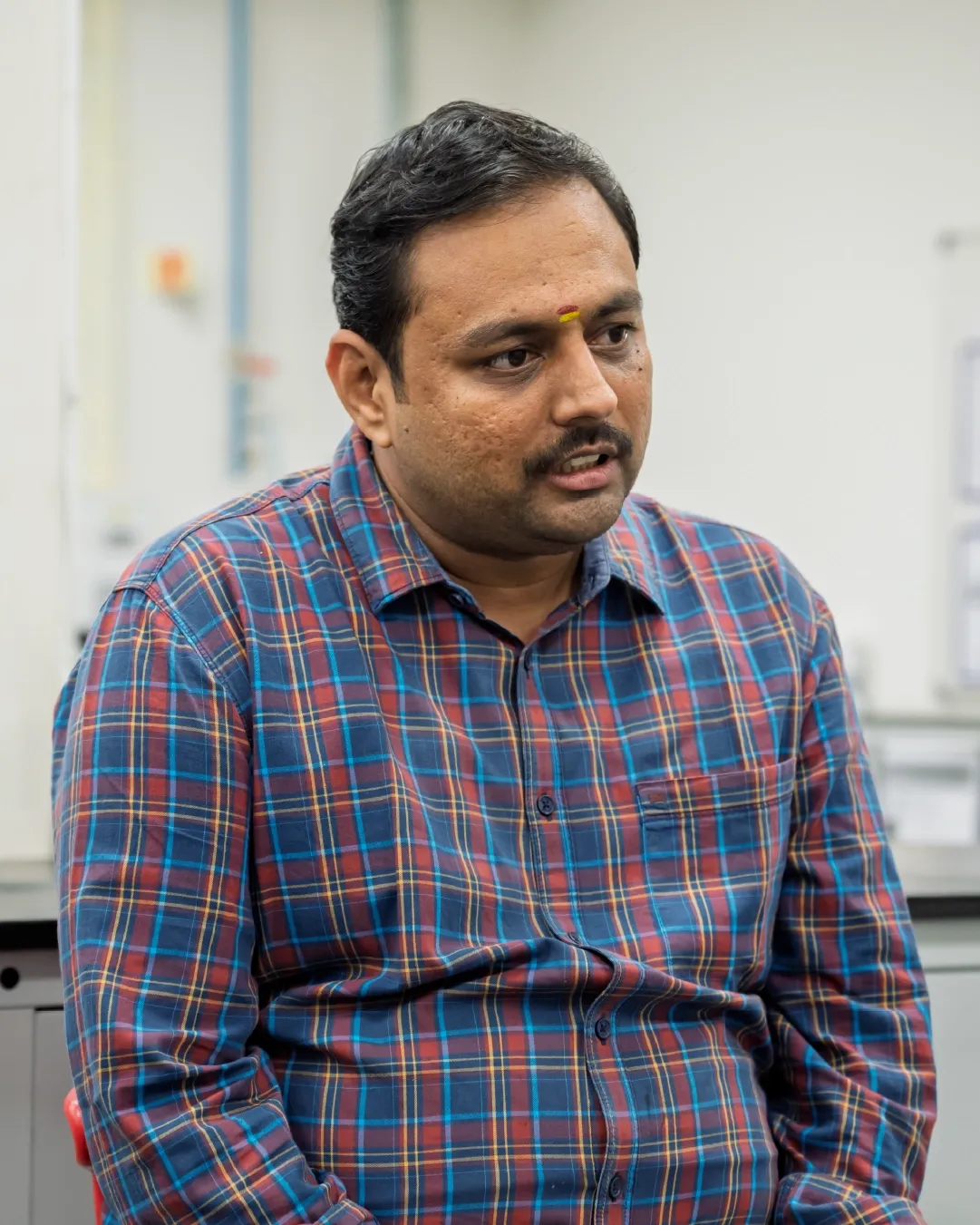
I began at River in September 2023. There were hardly 20 members in my team, and 100 overall in the factory. Today, my team has doubled and there are more than 500 people working in shifts across the factory. Our testing lab has transformed into a fully equipped testing unit with multiple stations. In a single day, we’re inspecting and sampling at least 485 components that are polymer, mechanical, and electrical. R&D has sped up. Production has increased. Volume of parts being sourced has increased. Everything is so quick. But the roughness, hardness, durability, detailing, dimensions—everything still gets thoroughly tested and sampled.
Hari from Battery Assembly
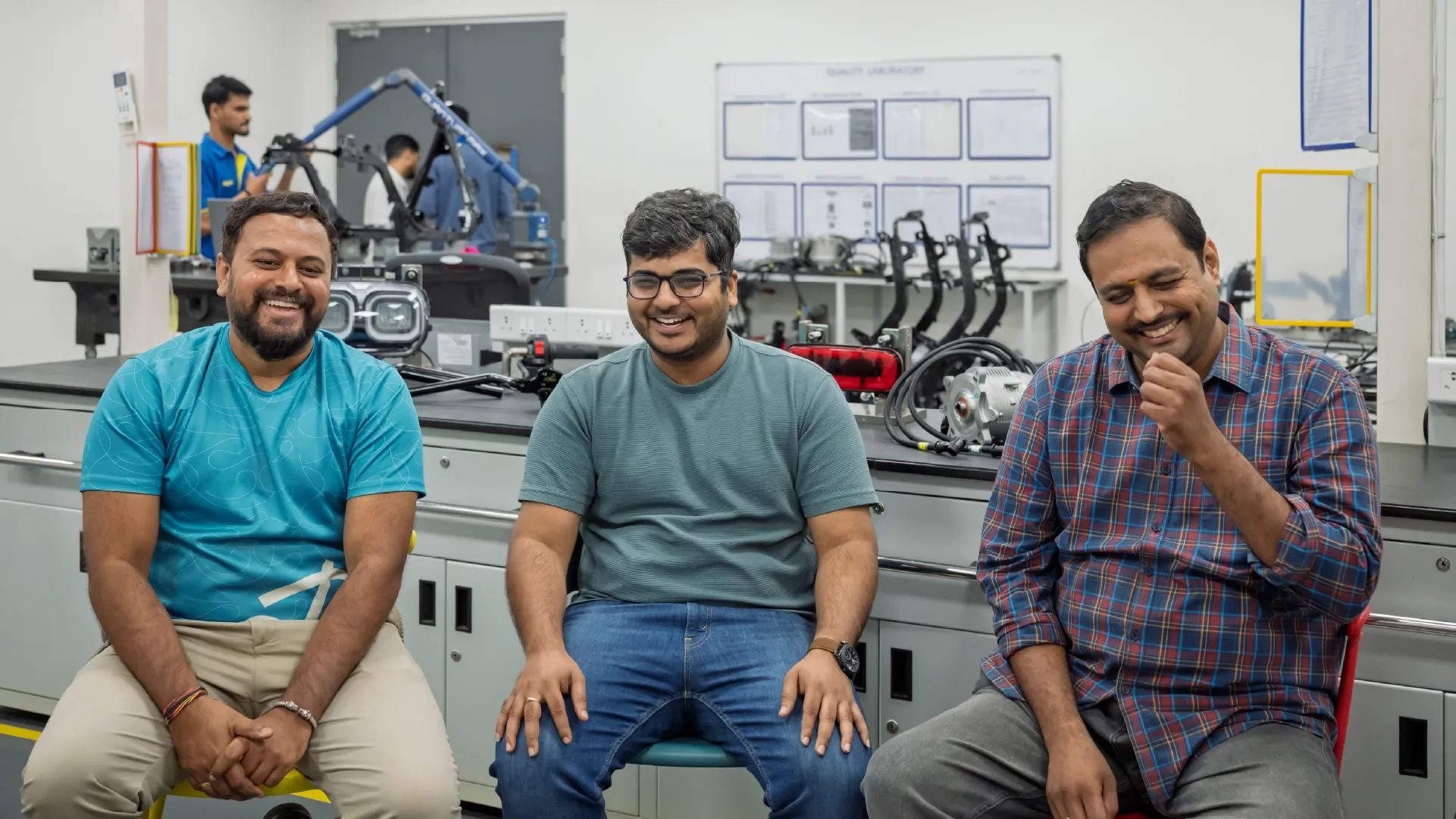
River is the third factory setup I’ve been a part of in my career, but it’s the only one where we were given complete freedom. We started out making just 15 battery packs a day. Today, we are consistently hitting over 370. Getting to this output has been a real ride. During the transition to the Gen 3 battery pack, we hit a massive bottleneck with the PU foam and single-sheet gel dispensing. These are key materials in holding the cells together in a battery pack. The foam height and chemical reactions kept failing. It was very frustrating. For three and a half weeks straight, our entire cross-functional team, along with leadership, sat on the shop floor every single day. We ran trial after trial, tweaking the formulation and the dispensing rhythm until we finally cracked it. This is just one example of how we’ve managed to reach such a milestone, but it’s one of those moments that mean actual growth and unity of the team.
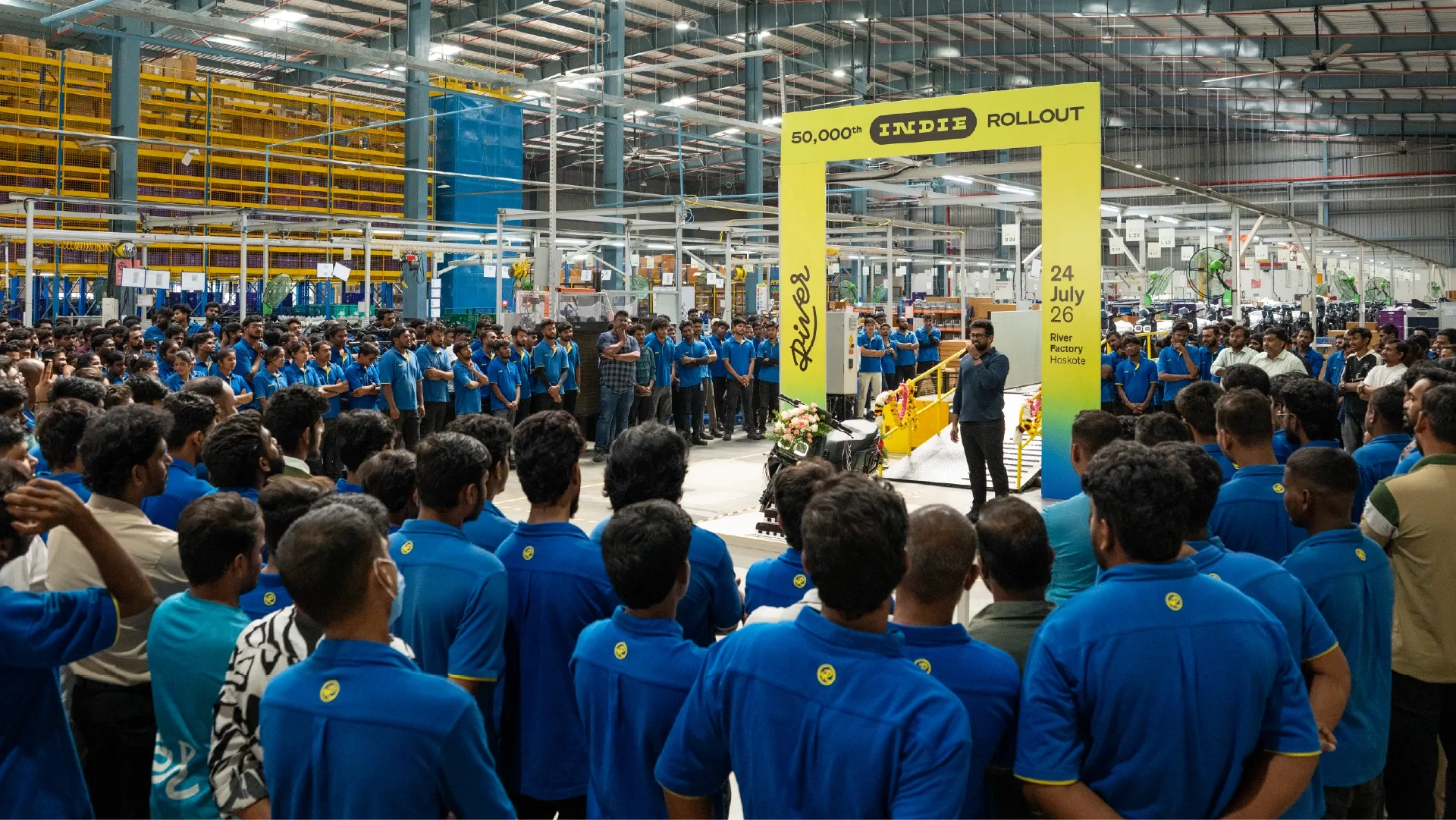
For some, the 50,000 vehicle roll-out milestone marked a crucial point in the entire production history of the company. For others, this milestone feels like being in the running with the big players. And for a certain few, this was just another day of doing the work to have production run smoothly. Traditional factories hate change. At most, they might make two, maybe three minor part revisions in an entire year. In River’s journey to 50,000 vehicles, there have been three complete generational updates. Each generation meant changing 30% to 40% of the Bill of Materials. The entire value chain—the shop floor, the suppliers—everyone adapted on the fly without production ever stopping.
Before packing up for the day, I asked Vamsi what this milestone meant to him. Expecting a grand, enthusiastic answer, his response was refreshingly grounded. “The 50,000th vehicle is just a number,” he said. “It’s a great milestone, but the real achievement is the adaptability we built. Everyone from the shop floor to the suppliers made this possible. It’s really just the people.”