
Bringing Together Style & Utility – The River Indie Story

In early 2021, when COVID-19 was running rampant across the globe, two ex-colleagues- turned-co-founders launched River, an electric vehicle startup based in Bengaluru.
In early 2021, when COVID-19 was running rampant across the globe, two ex-colleagues- turned-co-founders launched River, an electric vehicle startup based in Bengaluru.
One had business acumen and experience spanning years across manufacturing organisations in India, Singapore, and the UK. The other, an automotive enthusiast, had made significant contributions to some remarkable projects in the industry as a senior, and eventually, group head designer. In the world of business, this would be considered a promising pair.
The challenge, however, wasn’t an easy one - introducing a range of electric scooters in a market with some established, and many up-and-coming competitors.
Indie - A class apart
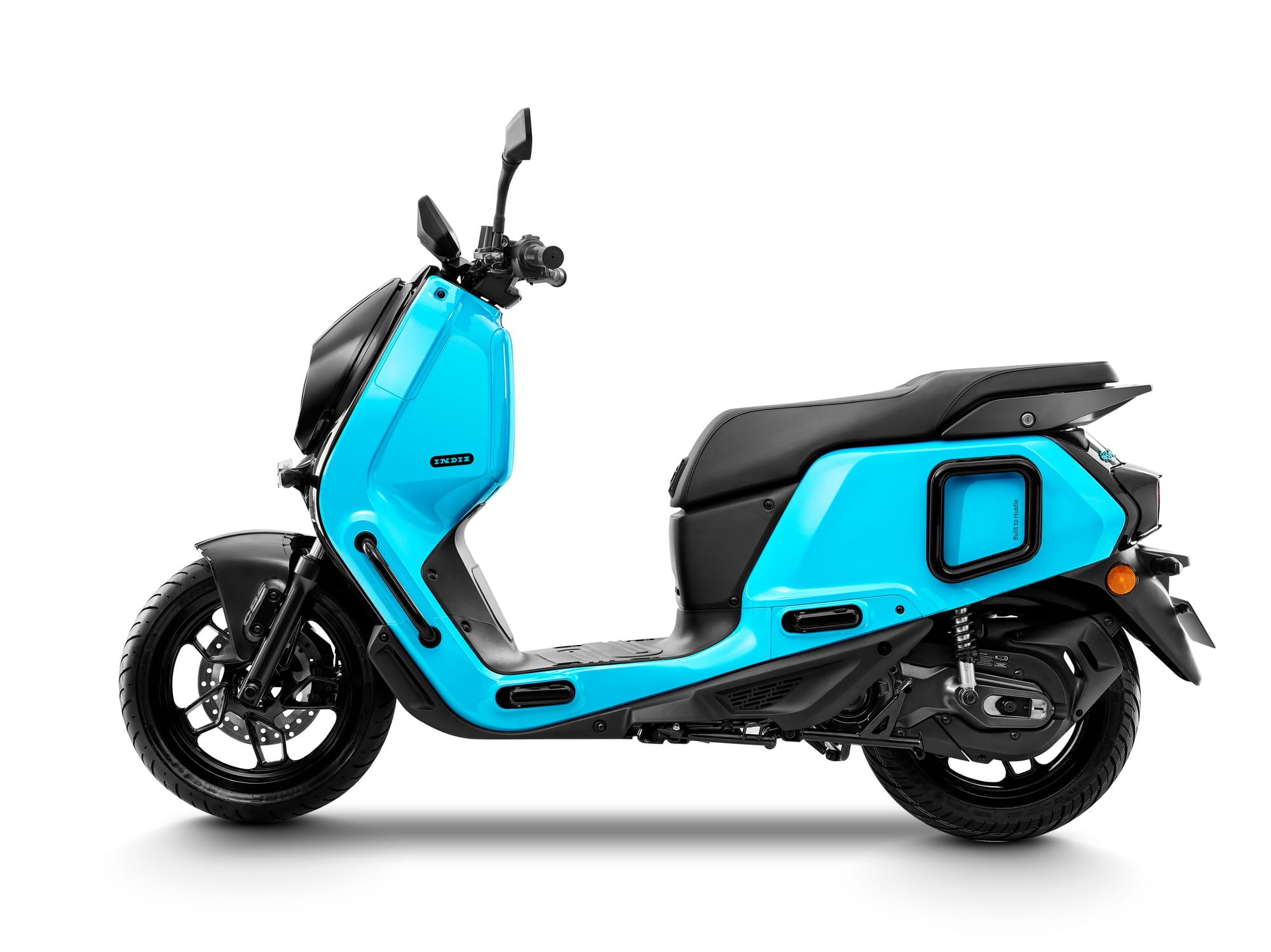
“Any new player starting an EV business has to identify a niche to survive in the market. That niche for us was utility lifestyle”, says Aravind Mani, Chief Executive Officer, River. “Be it working or shopping, India’s young middle-class population rarely goes anywhere empty-handed, with two-wheelers being their go-to mode of transport. And while most scooters are appealing to the eye, they seem to be missing some vital features, like good storage space.”
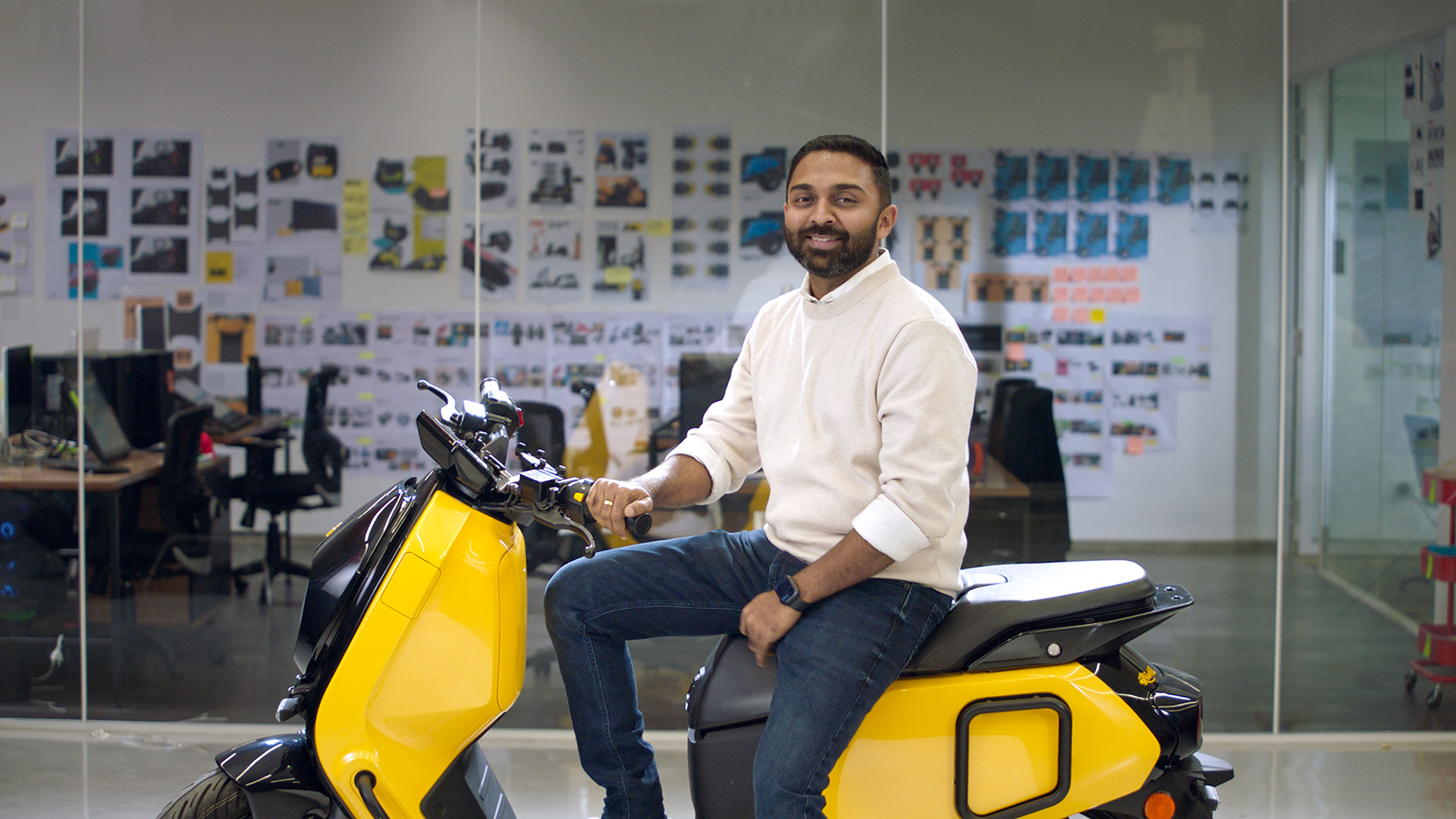
After a four-year stint in the tech industry, Aravind headed up the commercial and strategy team at a well-known petrochemical company. He forayed into automotives with a startup, as the VP of Business Operations and Corporate Strategy. It’s here that he met Vipin George, who he would collaborate with in a couple of years, but more on that later.
“We wanted to build a product that provides all the storage one would need in a scooter, while being a reflection of the end user’s personality. That’s how we brought utility and lifestyle together in the Indian two-wheeler space”, says Aravind.
Growing up, Vipin indulged in sketching – particularly cars and other automobiles – in his free time. Since he spent most of his childhood away from the city, he built scale models with scrap material like old carton boxes and cardboard. It’s safe to say that he knew this was his true calling, even at an age when most of us were drawing stick figures.
While in college, he made a leap from engineering to the MIT Institute of Design, Pune, which was nothing less than a culture shock for him. “I was moving from a hardcore engineering scene to art and design. It was like my career took a 180 degree turn”, says Vipin.
After working for almost a decade with the research and development team at Honda, Vipin was ready to take up a new challenge – an exciting opportunity at a growing electric vehicle startup. The role required him to move closer to his hometown, which was indeed a bonus.
| Column 1 | Column 2 | Column 3 |
|---|---|---|
| Capacity | 200 kgs | 300 kgs |
| Range | 200 kms | 150 kms |