
Around the Neighbourhood: How to Run a Hot Chips Shop

Sometimes, I take a city for granted. Especially one where I’ve spent a few years or where the passing of time has become rather monotonous.
There are some daily occurrences that seem so ordinary, I had simply stopped noticing them. The tiffin house around the corner. The coconut vendor outside the metro station. The stationery shop that somehow stocks everything from strawberry scented sketch pens to posters of Puneet Rajkumar. I think it’s probably because I know where they are without looking them up.
But off late, I am interested in the ordinary. The mundane and the less exciting. And the more I look at it, the more extraordinary it actually reveals itself to be. In Bengaluru, there’s one experience that quietly belongs on this list: the hot chips shop.
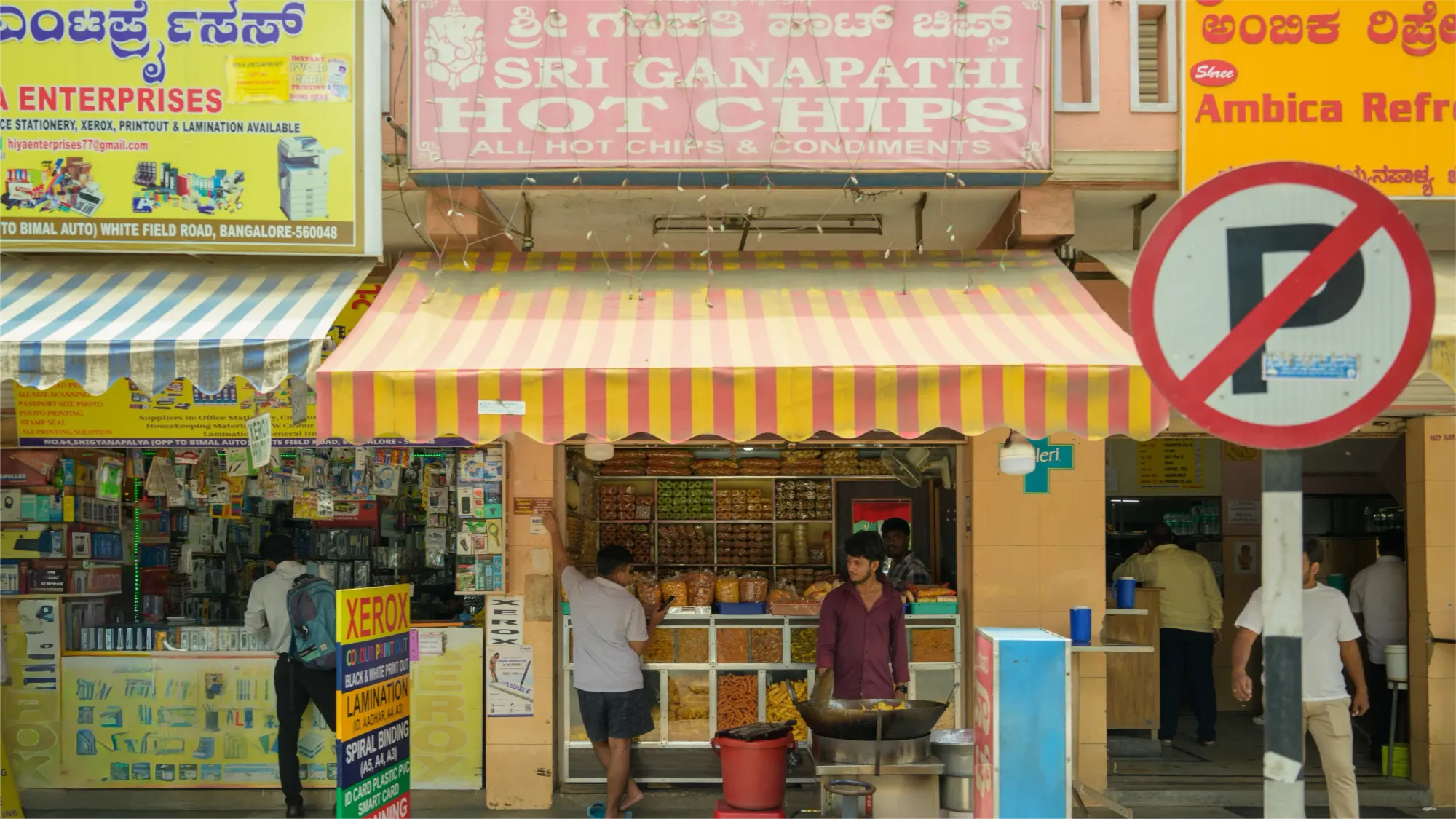
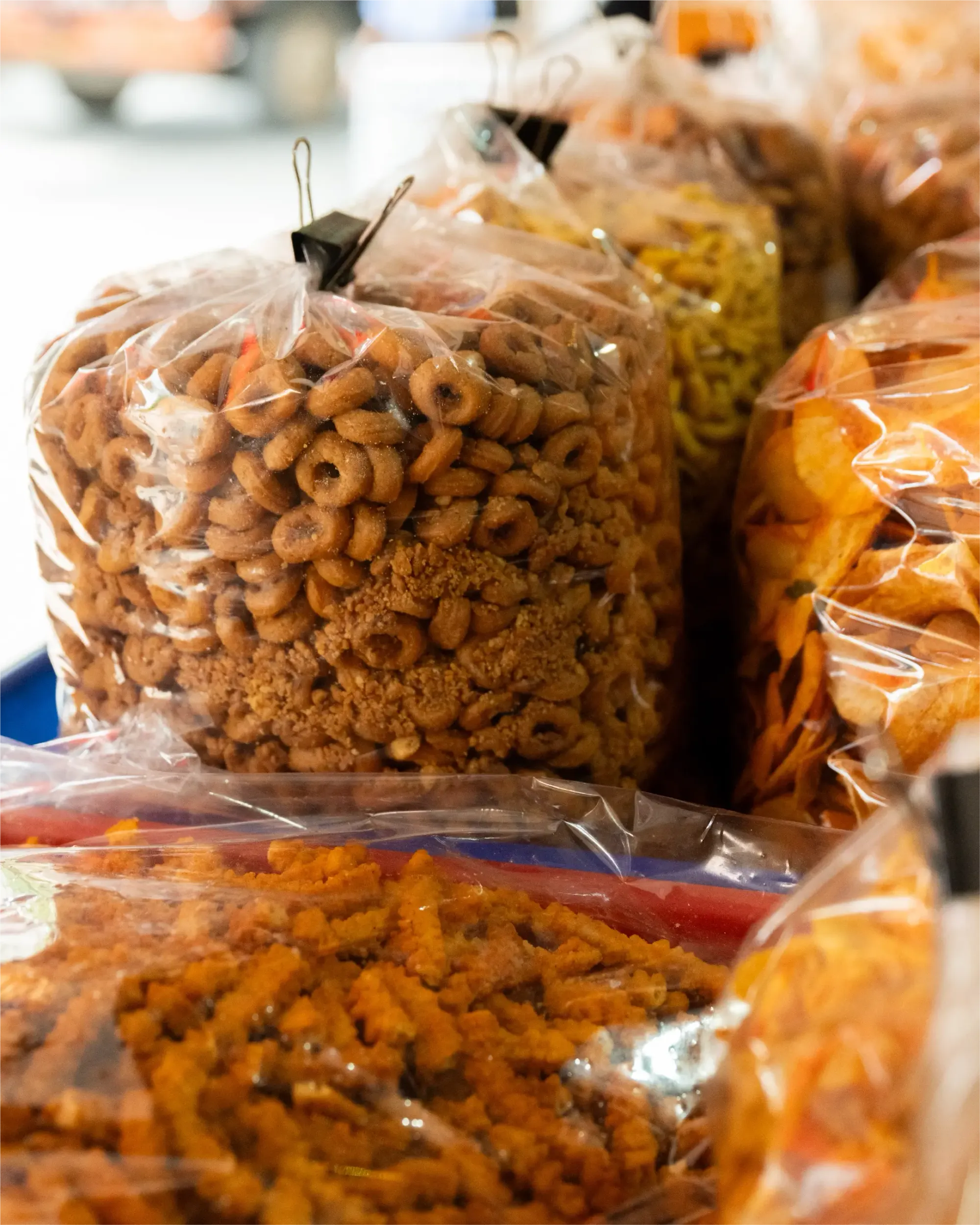
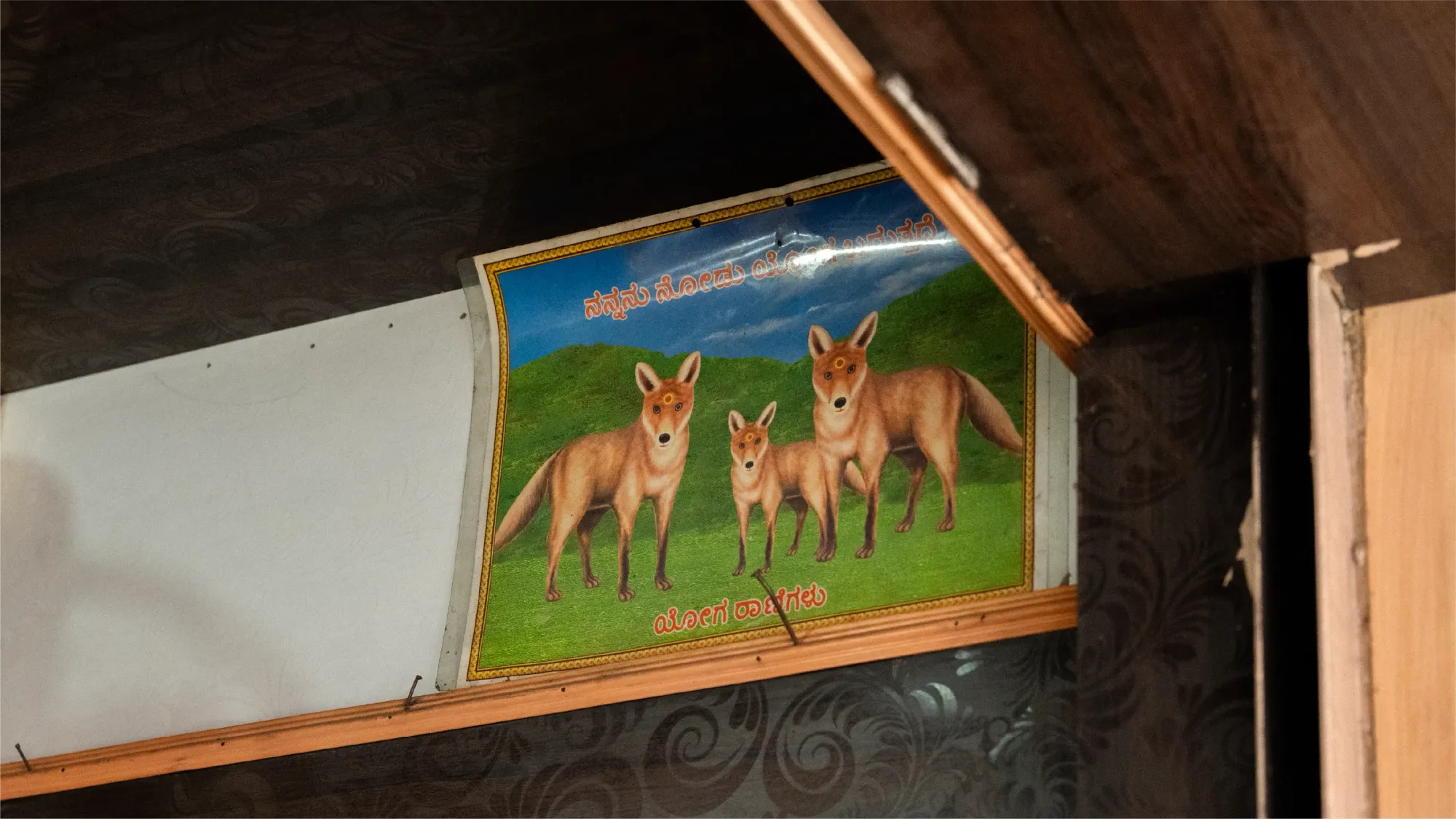
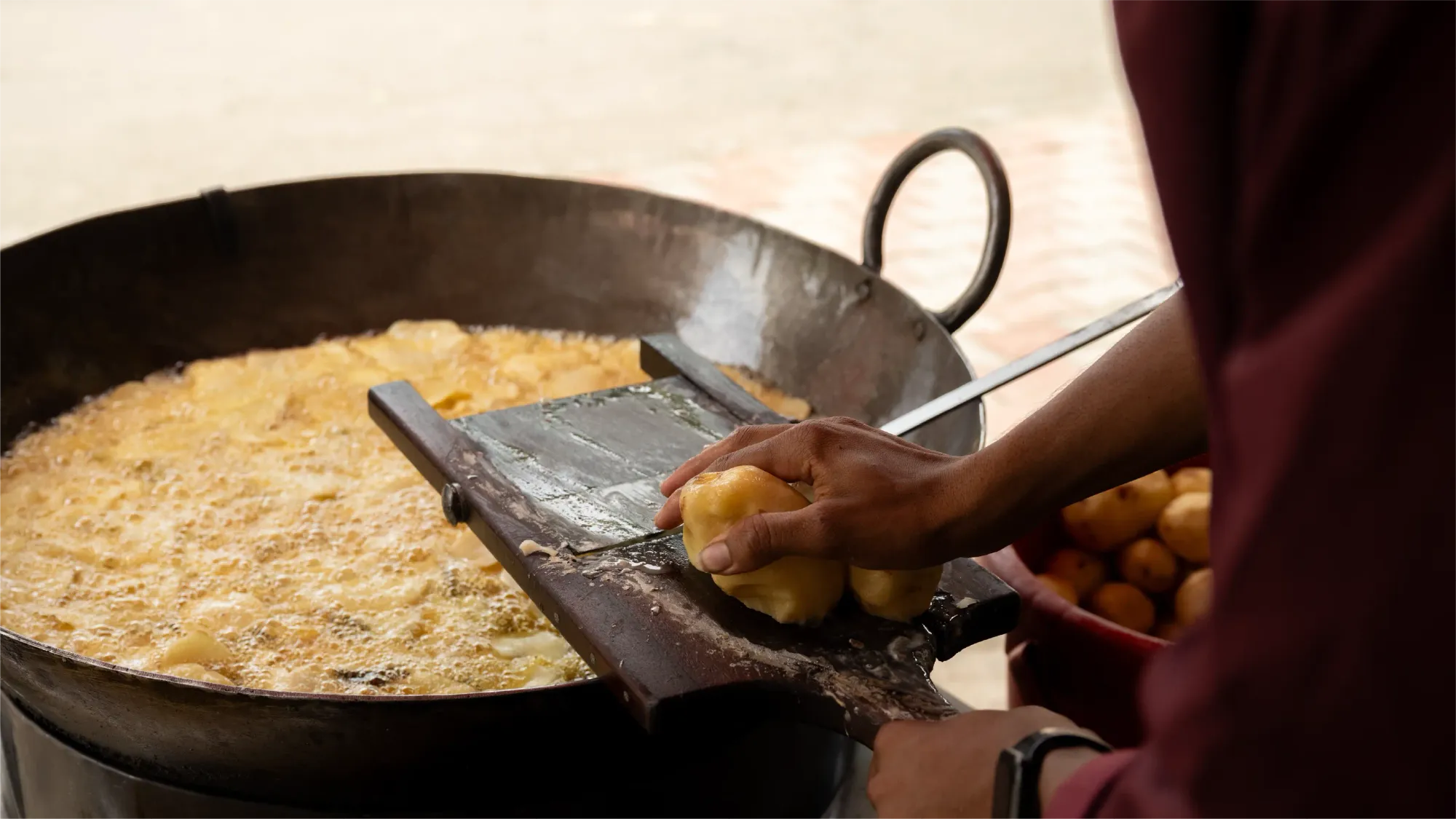
As someone who only moved here two summers ago, I found myself wondering why they happen to be everywhere. Beside supermarkets, opposite schools, next to temples, malls, and bus stops. They look remarkably similar, featuring a bright signboard, perfectly arranged interiors, some adorned with images of goddesses and gods, others with posters of posing film stars. The store design has a standard format that proudly displays glass shelves vertically stacked with thinly sliced potato crisps, crunchy banana chips, swirling murukku, spiced kodubale, sweet rose cookies and other savoury chivda. Just two steps outside the kiosk, there is usually an individual expertly slicing and frying potatoes in a large wok of bubbling oil. An ardent task to an outsider but a daily routine for the fryer, come rain, come sunshine.
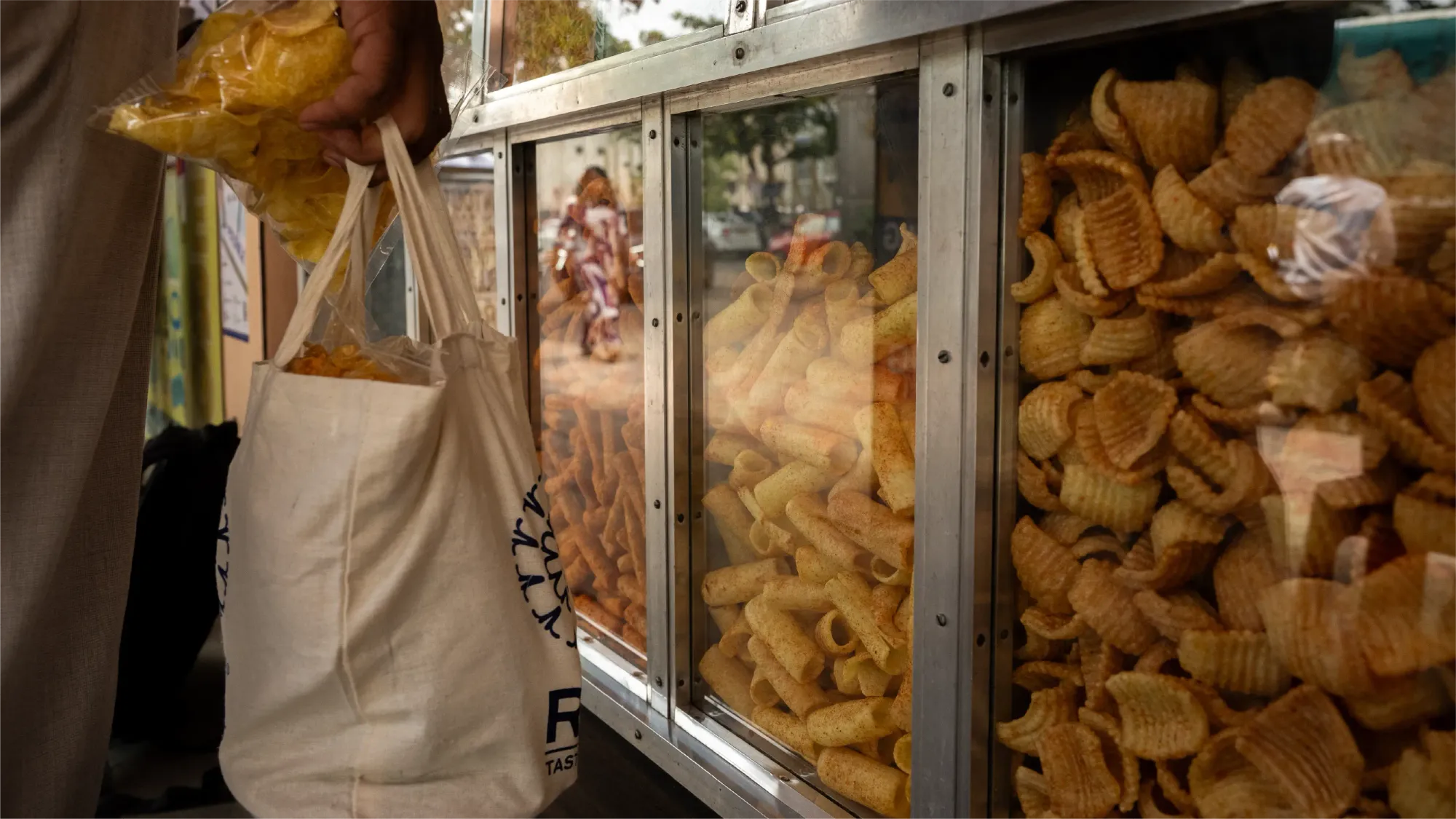
The more I noticed them, the more I realised they weren’t just snack shops. They were neighbourhood businesses and hubs. Small enterprises that had quietly become part of the city’s everyday rhythm, its food history and cultural identity.
Then there’s the name. And what’s in a name?
‘Hot Chips’ began as a way of describing freshly fried chips, distinguishing them from packaged alternatives. Over time, particularly across Tamil Nadu and Karnataka, the phrase evolved into something much bigger. It became shorthand for an entire format—the friendly snack shop around the block where nibbles are sold by weight, where freshness matters more than branding and where regular customers matter more than footfall. In an era where names are trademarked, protected and fiercely defended, it’s oddly refreshing that ‘Hot Chips’ has come to function almost like a common noun. Every neighbourhood seems to have one, each with its own identity, despite sharing the same name. And none of them go out of business!
Perhaps that’s why so many of these shops look familiar. The formula works and it doesn’t require reinvention every season. It just needs discipline. Behind every warm packet of freshly cooked chips, is a business built on timing, judgement and routine. Every batch is a calculation and every kilogram of potatoes carries a cost.
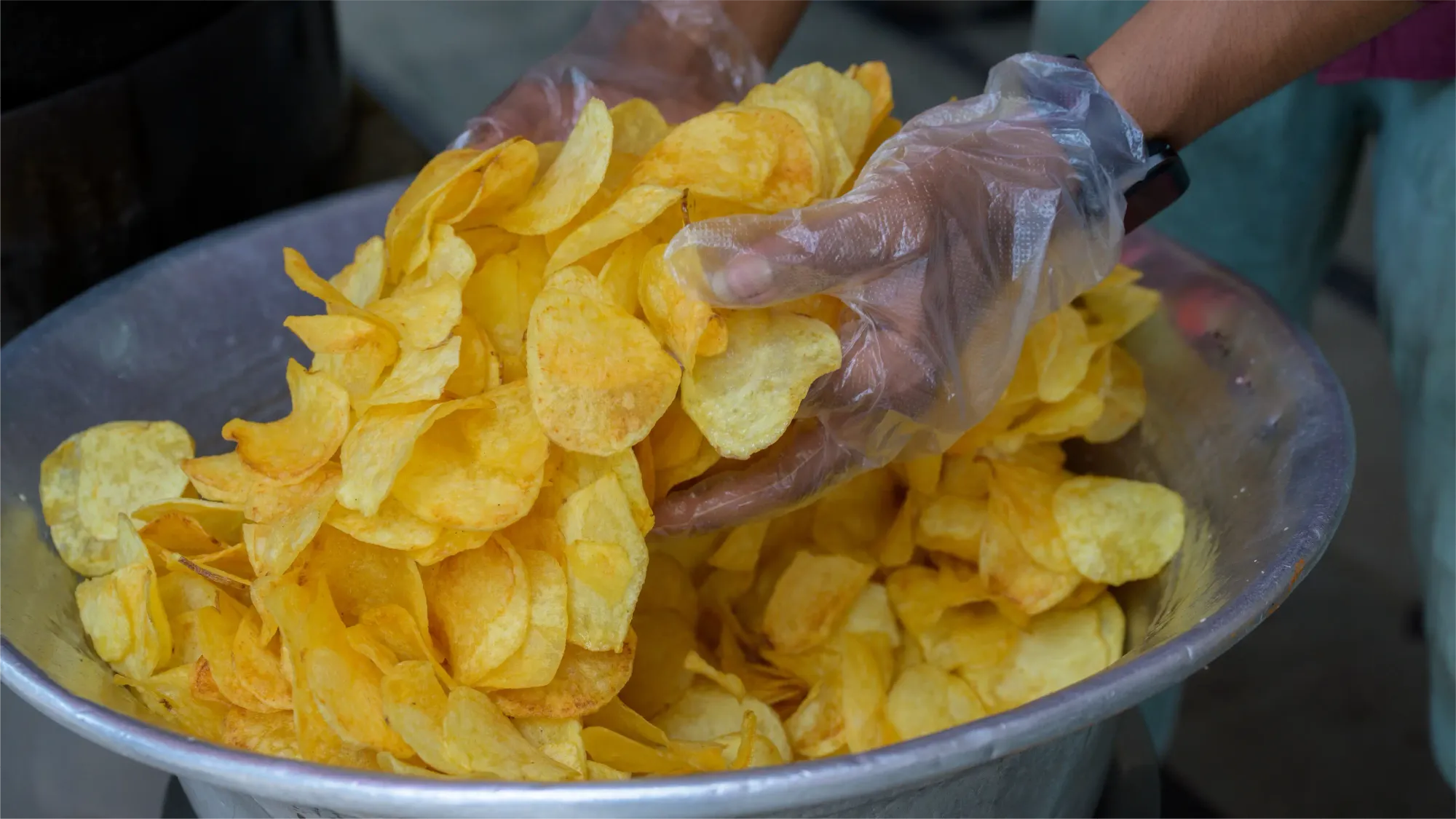
At 23, Manoj has already spent 7 years learning the craft of perfecting the perfect wafer chip and the business of selling it too.
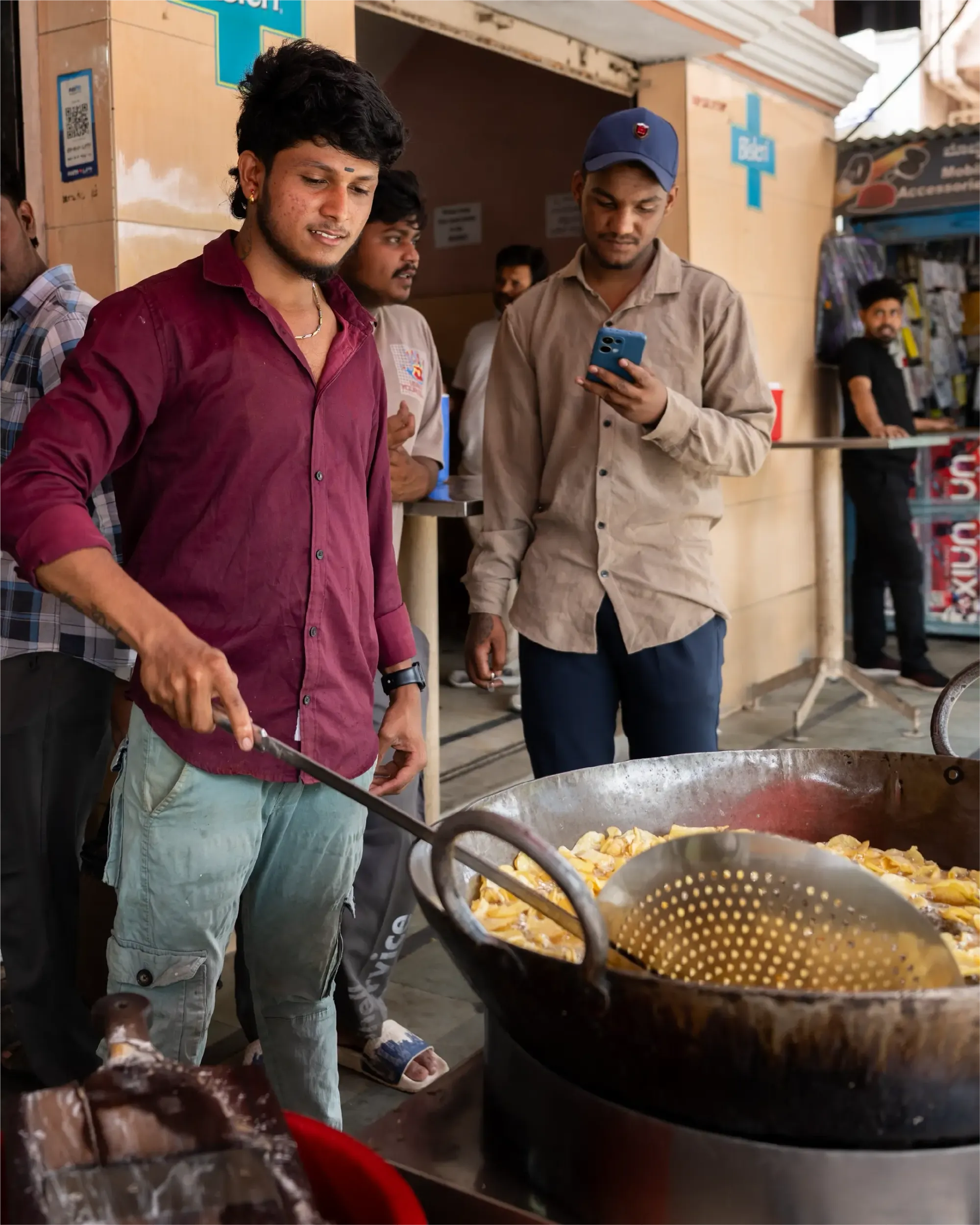
His father started the shop 15 years ago. Today, the family runs multiple hot chips outlets across Bengaluru, supported by a small production unit in Chickpet. What began as a single store has steadily grown into a family enterprise, one built without investors, delivery apps or marketing campaigns. Tucked between Phoenix Marketcity and Singayyanapalya Metro Station lies his shop: Sri Ganapathi Hot Chips.
My colleague Akshara and I made a quick stop to interview Manoj and his brother.
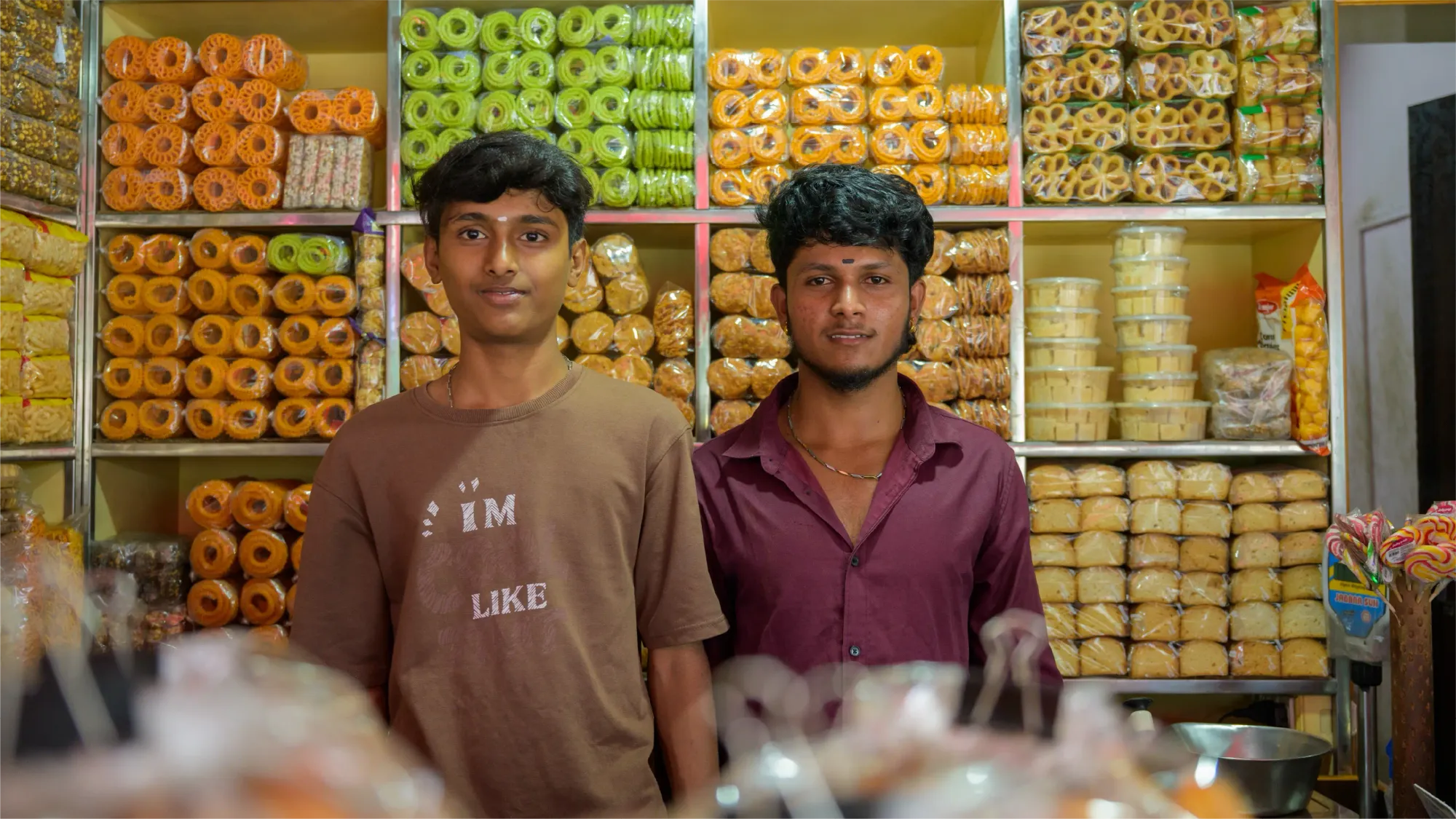
Your father started this business. What made you join it?
Yes. My father started this shop and he still runs it. My brother and I help him. From an early age itself, we just wanted to continue what he built.
Did you ever imagine a different future for yourself?
No. I never had that desire. This chip shop is what I wanted to manage all along. It might sound strange, but I’ve always felt this is where I belong. My father built this business and I want to take it forward. That’s my dream.
You say that very confidently.
Because this is what I enjoy. Some people like travelling and some people like playing cricket. I like making chips and I treat this shop like my God. Nothing comes before it.
What does an ordinary day look like?
I come at 10 in the morning. First we clean the shop, the counters, the vessels. Everything has to be cleaned and washed before we begin. Then we prepare the potatoes. I scrub them and peel them. Around noon we fry the first batch and then in the evening we make another batch. We wrap up and close around 11 in the night and the next day we do it all over again.
Does the routine ever get repetitive?
No. Each day is the same but different. When you’ve been doing it for years, you know what needs to happen and when. Things fall into place and it is all in all satisfying.
How do you know how much to make every day?
You learn with time. School holidays are quieter but when schools reopen, business becomes busy again. Weekends are always better. One has to develop patience to observe and learn these things. Time and our customers have taught us that. And before you know it, you begin to understand the community. School students stop by after class or families come to pick up snacks for the evening or office-goers drop in on their way home. Sometimes we get big bulk orders from companies and restaurants for birthdays. Over time, customers become predictable enough to shape production itself.
Do you make everything fresh?
Yes yes, always. We don’t keep old stock because the oil can go rancid. Morning we make one batch. Evening we make another. We only make what we know will sell.
What happens behind the counter and what else do most people not know?
There’s a lot happening behind the counter. We have multiple shops and a single production unit. Some snacks are made there and brought here. And some, like these potato chips, are made fresh in this shop.
Is it a profitable business?
A hundred grams of chips costs ₹50. On an average day, the shop brings in between ₹5,000 and ₹6,000 in sales. Against that are potatoes, oil, spices, transport, rent and wages. Profit is less and expenses are more but we save a little.
Then what keeps you going?
Customers. When they eat the chips and tell us they’re good, we feel happy. When they come back again, we feel happy. When we get a big order for a birthday or a company, we feel even happier. That’s what makes this work worth doing.
What do you hope this business becomes?
We already have a few shops and slowly we want to expand but we’re in no rush build more. We’re already quite happy and content in a way but there’s always more to look forward to.
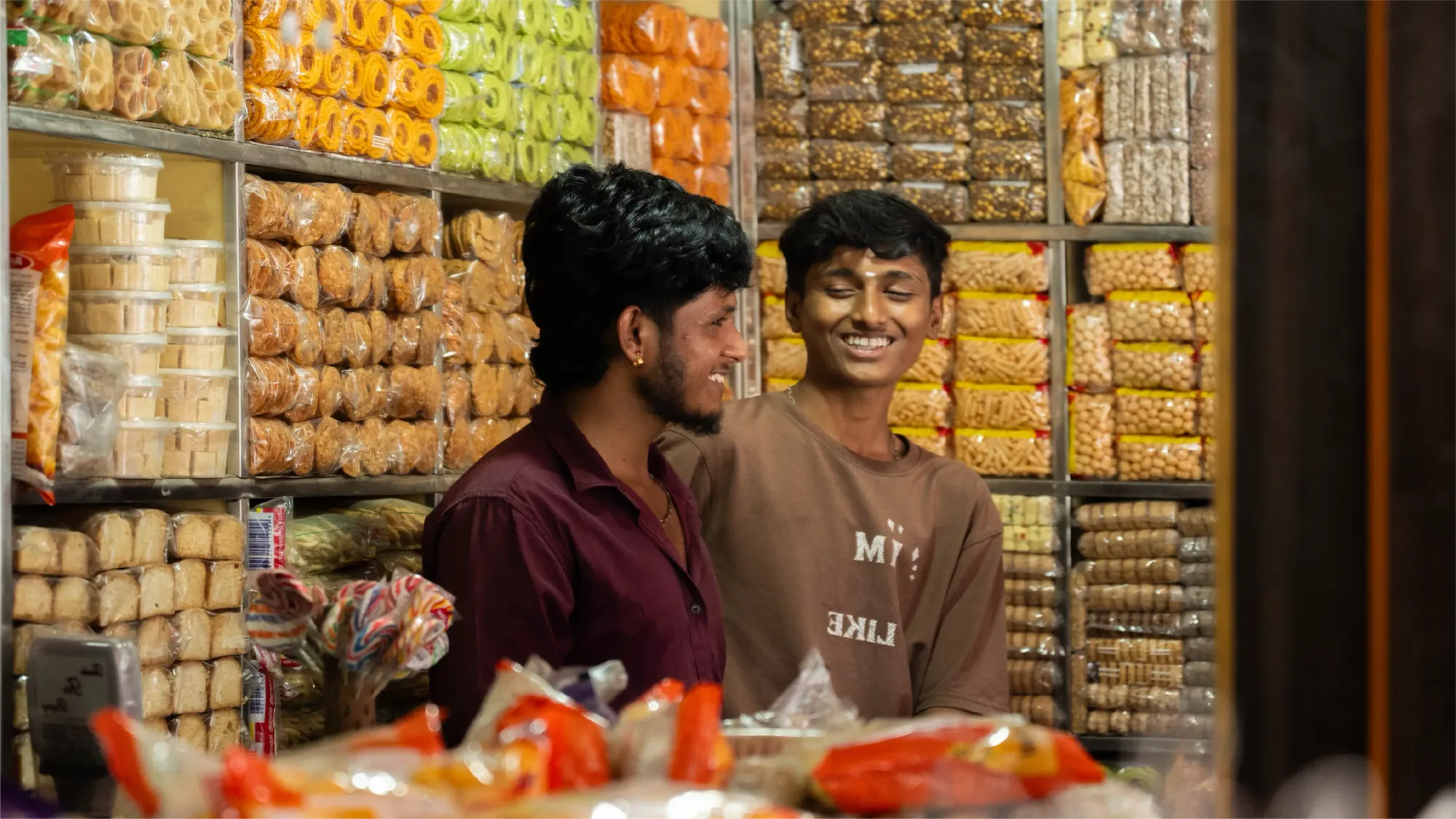
Cities often celebrate their biggest companies and newest ideas.
But they’re equally shaped by businesses like these. The ones that become so reliable, so embedded in everyday life, that we miss noticing them altogether. Perhaps that’s the real story of Bengaluru’s hot chips shops. Not that they sell good chips. But that they’ve quietly built one of the city’s most enduring business models, one area at a time.
Tomorrow morning, before most of us have thought about our first snack of the day, someone will already be peeling potatoes, heating oil and preparing the first batch that we unconsciously end up munching on during a chai break.
The business begins long before the customer arrives.
A special thank you to Akshara Jayaraj for helping document this excursion and conducting this interview in Kannada.