1,00,000 Kilometres of Deliberate Sabotage

Have you ever noticed a vehicle on the road covered in psychedelic swirls, with a red number plate? Sometimes it could be geometric or checkered patterns as well. And when it does catch your eye, do you also try hard to identify who is the automotive brand behind this test mule? Or what are they testing for in your location?
While it’s common to find these on-road evaluation (ORE) vehicles on popular intra-city routes, I spotted one on the infamous Ghodbunder Road, (Maharashtra State Highway 42). My interest peaked! Suspension, braking, torque…what else is being evaluated here? This sent me down a rabbit hole of discovering River’s first ever ORE exercise.
A couple of interesting conversations, google slides and a technician’s notes later, the ORE exercise was a vivid picture. What I found most interesting was the journey and learnings to how Indie Gen 1 gave birth to Indie Gen 2.
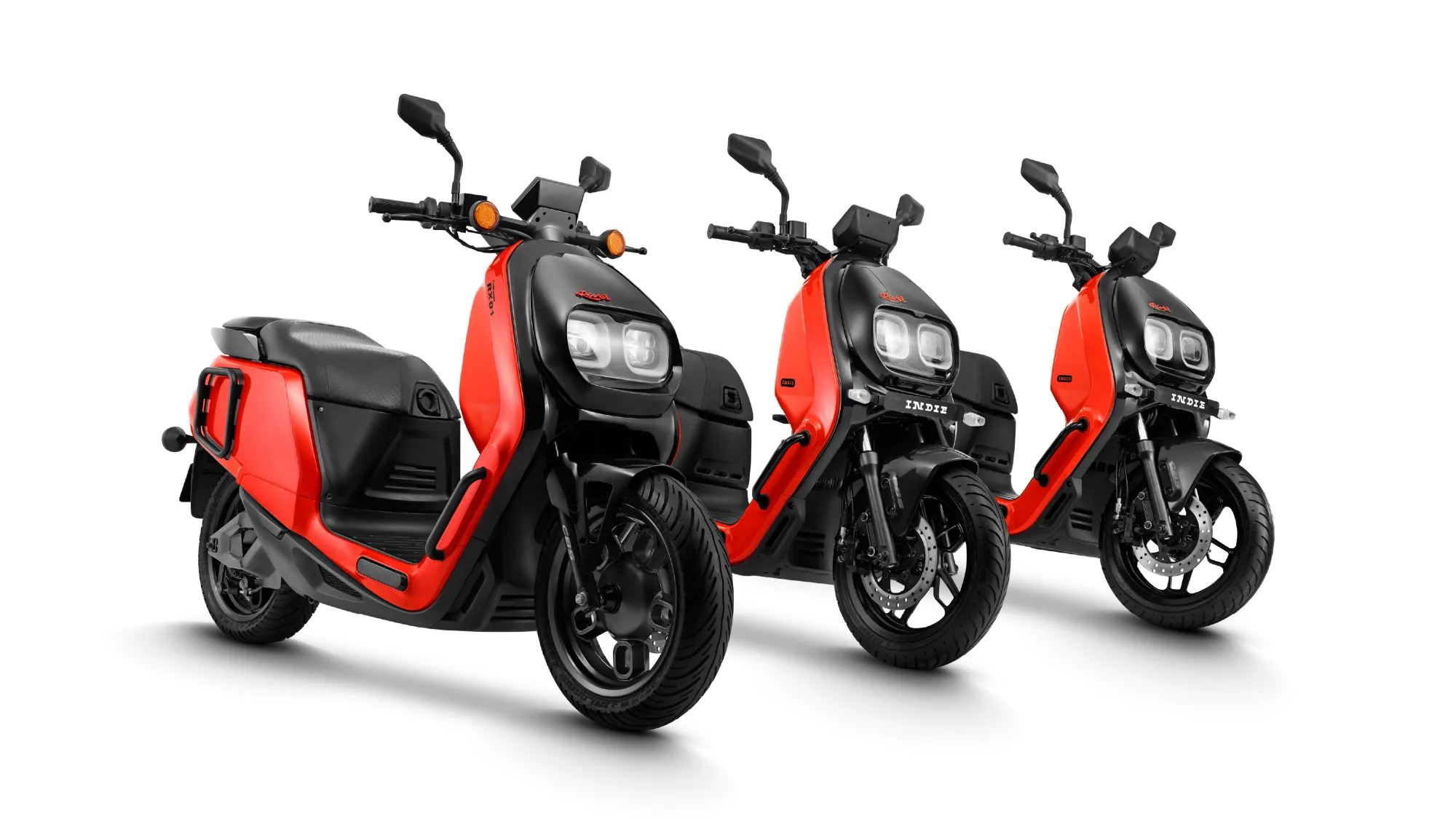
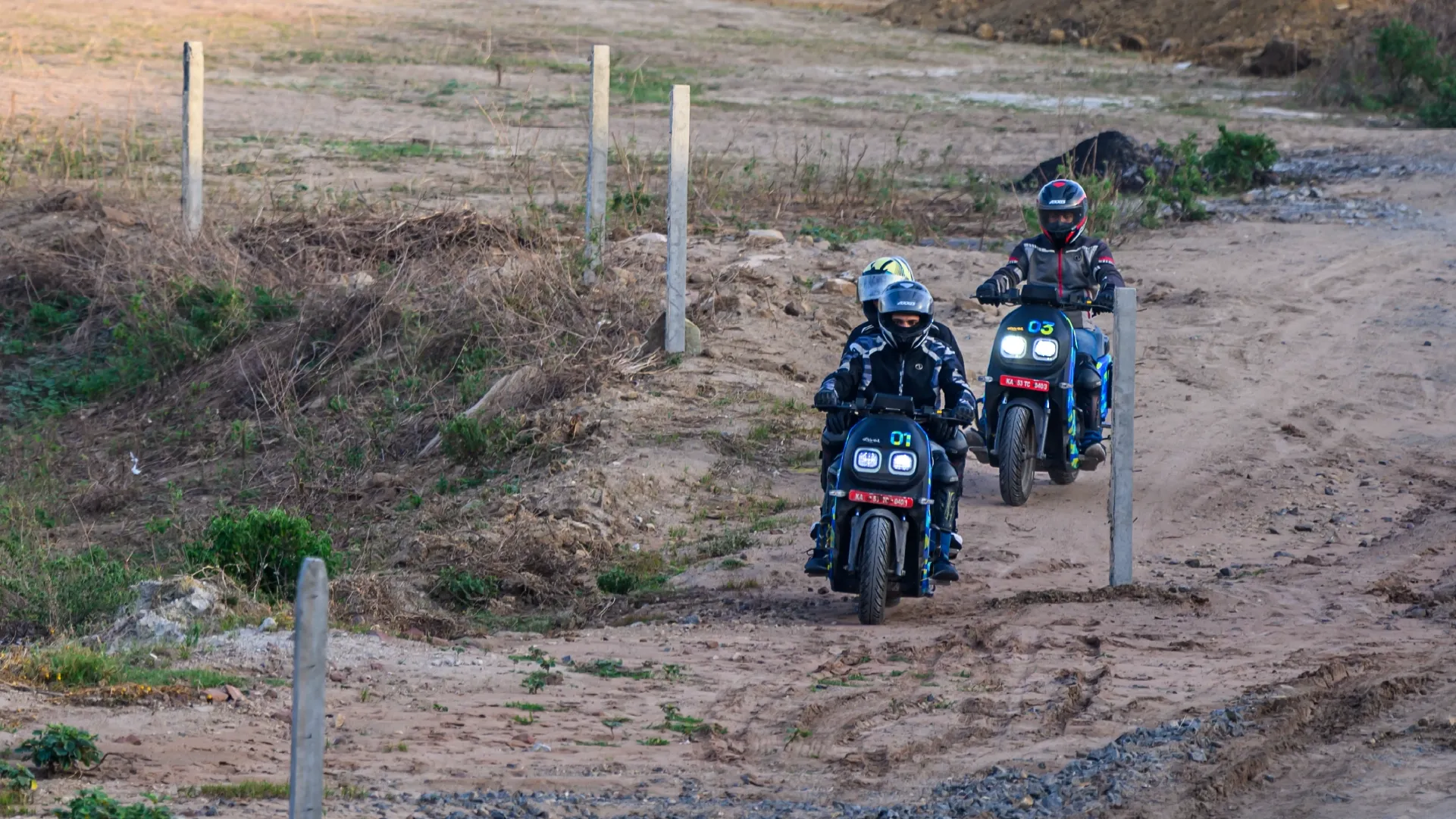
It is August 2023. A crew of 29 people and three Indie prototype scooters, ventured out to test the scooter’s mantle against the reality of city roads across the country.
Every two days, River’s ORE technicians opened up these scooters. Every 300 kilometres, they removed the brake pads and rotors to measure thickness and track exact wear rates. They checked tire pressure to monitor contact points, and measured belt tension to record retention profiles.
The goal was to compress an electric scooter’s typical 8–10-year lifespan into less than two years. “If there are ways to break this vehicle, we want to be the ones to do it so that we can also find ways to fix it”, says Nandish Shetty, head of Product Management.
The crew, comprising 18 riders, 7 engineers and 4 technicians worked in rotating shifts to clock mileage and provide statistical averages for speed and range. The daily target was 300 to 350 kilometres across shifts. Each shift aimed to cover 150 kilometres, prioritising performance monitoring on the first ride and component durability on the next two.
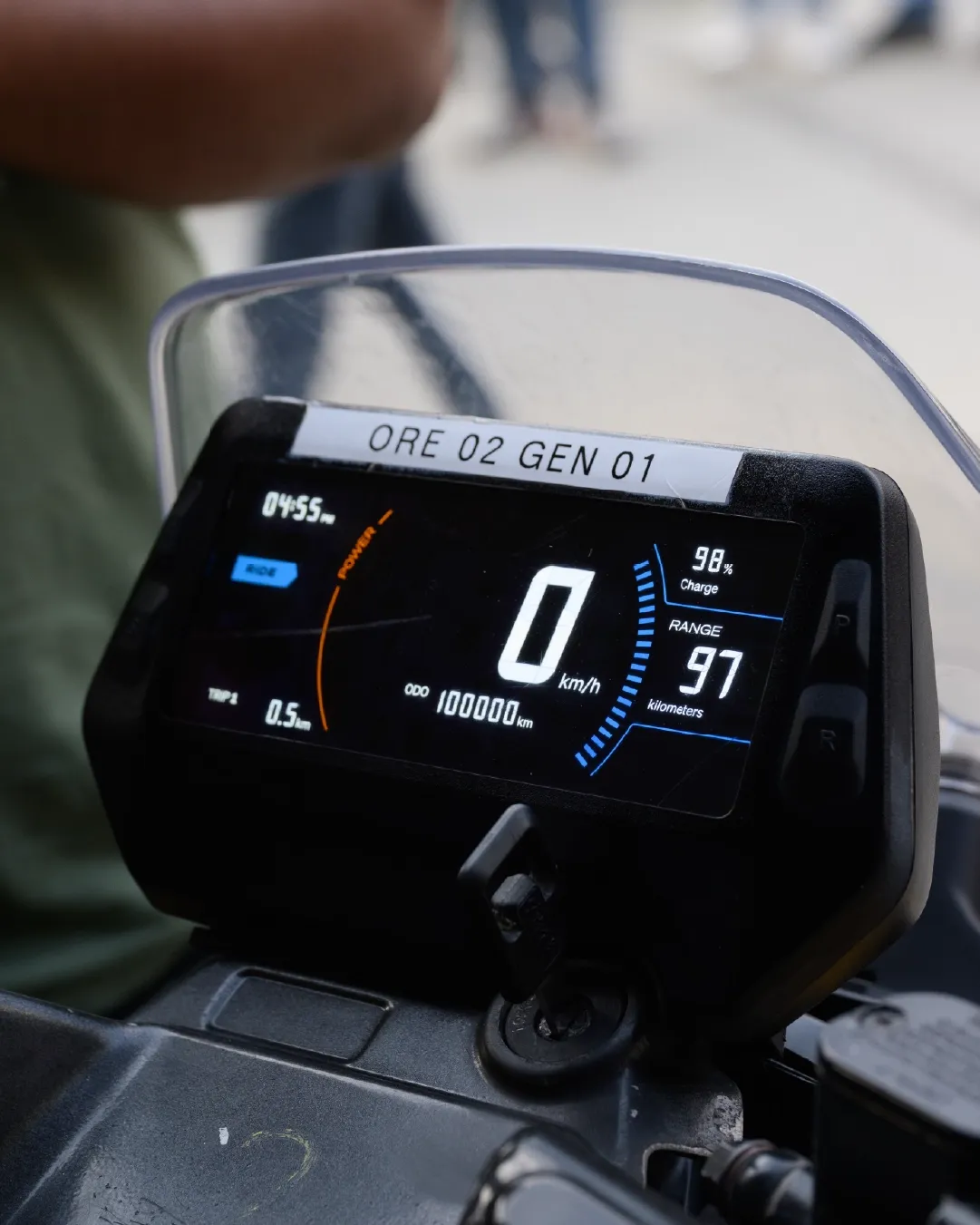
578 days later, the second prototype scooter, ORE 2, completed 1,00,000 kilometres on the road. We fittingly renamed ORE 2 Laksh. Within a few weeks, ORE 1 and ORE 3 hit this milestone as well.
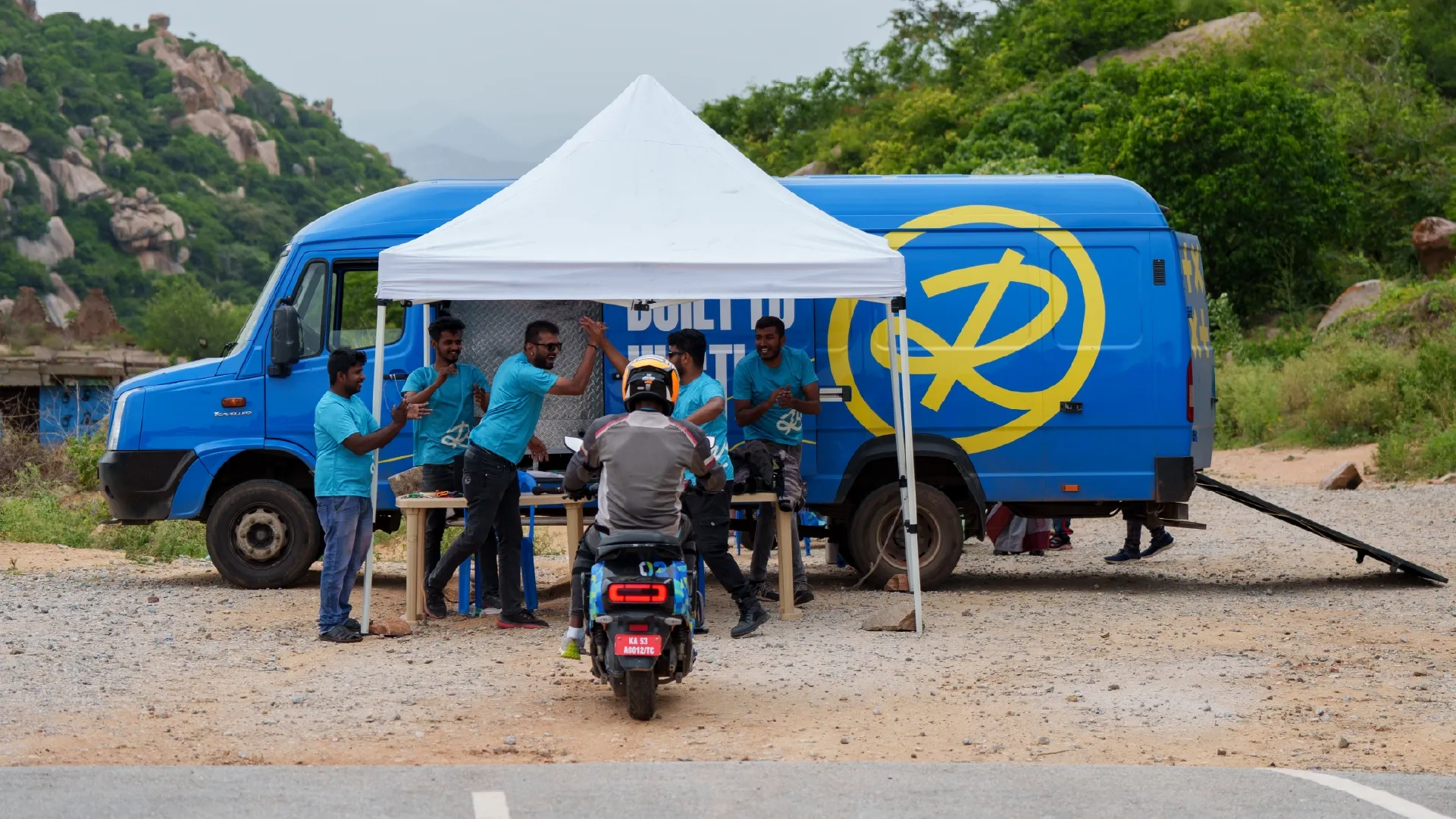
Milestone aside, here’s what the ORE data gave us, and what the team did with it:
Dirt eroded the brake pads
Real-world riding quickly exposed how the vehicle interacted with its environment. Over 50% of the durability testing occurred on rough roads in Bengaluru, continuing through rainy conditions. During the early 300-kilometre inspections, the team noticed that mud and dust accumulating near the rear wheel caused the brake pads to erode rapidly. Within 3,000 kilometres, the pads were wearing out consistently across the three vehicles. The fix made was purely functional: the team installed a mud flap to deflect debris away from the brake caliper, which normalised the wear rate.
Dirt also dictated the evolution of the drivetrain
These early test vehicles utilised a nylon belt drive mounted on aluminum pulleys. The nylon suffered from high wear when exposed to dust. The team attempted to mitigate this by adding a belt cover and switching to a rubber belt. However, field data indicated that rubber belts lost tension too quickly under constant industrial and road conditions, meaning a customer would need to service the belt every 1,000 to 2,500 kilometres. Recognising this high maintenance requirement, the product team transitioned the next generation of the scooter to a low-maintenance chain drive system.
Handling was better in steel
The testing routes were designed to gauge structural limits. Riders pushed the scooters through diverse conditions, including riding through a cyclone in Kochi to test if the motor would keep running and the battery would stay dry. When ORE 1 completed 10,000 kilometres, it was taken to track testing near Bengaluru airport. This was done to understand ‘handling’, which in simple terms means steering, acceleration, braking, and changing direction. The chassis performance during this phase was underwhelming.
Tracking the chassis fatigue under continuous stress provided the team with specific areas to reinforce. And so, to support long-term durability across different topographies and payloads, the scooter's foundational architecture changed to a double-cradle steel chassis. Alongside this, the manufacturing process for the under-bracket—where the handlebar is mounted—was modified. The process moved from using solely welded joints to a more resilient combination of press-fitting and welding.
Extending the warranty
When the scooters crossed the 1,00,000-kilometre mark, the data collected served as a factual baseline for the hardware. For instance, during this period, Laksh went through over 1,700 charge and discharge cycles. The teardown revealed that the original battery pack retained 85% of its structural health, experiencing only a 15% drop over the entire duration. Moreover, some of the primary components like the motor, motor control unit (MCU), vehicle control unit (VCU), wiring harness, and wheels completed the 1,00,000 kilometres without requiring replacement.
Vikram Hattangady, who currently oversees the ORE department, pointed to this data: “The fact that these components pretty much on the first try sustained 1,00,000 kilometres without any issues, gave us a lot of confidence.” And so, it was only after this specific data corroborated the build of the battery pack, that River assuringly offered the 8-year or 80,000-kilometre extended warranty.